
09-04-2024 21:40
 Simon Gurtner
Good evening found on 25.03.2024 in Bern, Switzer

08-04-2024 21:49
 Thierry Blondelle
Bonjour à tous,Le susbstrat, une écaille de côn
02-04-2024 10:24
Thomas Læssøehttps://svampe.databasen.org/observations/10426540
08-04-2024 17:42
 Bernard CLESSE
Bonjour à toutes et tous,Que pensez-vous de ce Ge
07-04-2024 17:30
 Riet van Oosten
Hello,Found by Laurens van der Linde, March 2023,

28-03-2009 14:52
 Alain GARDIENNET
Bonjour, Encore coincé avec un pyréno que j'at
05-04-2024 16:22
 Giovanni ANTOLA
Bonjour, Récolte du 24/3/24 Piriac-sur-mer (44).
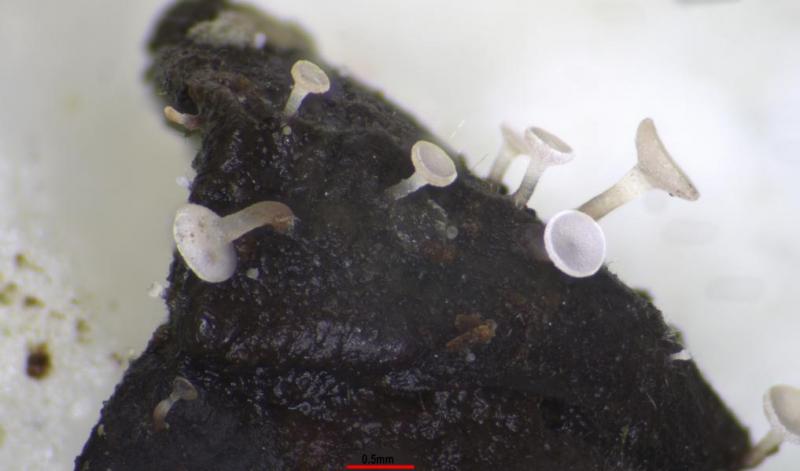
Good eveningfound on 25.03.2024 in Bern, Switzerland near the river Aare on scales of old poplar buds. My first thought was Gemmina gemmarum, but the asci are clearly too long and the spores are too broad.
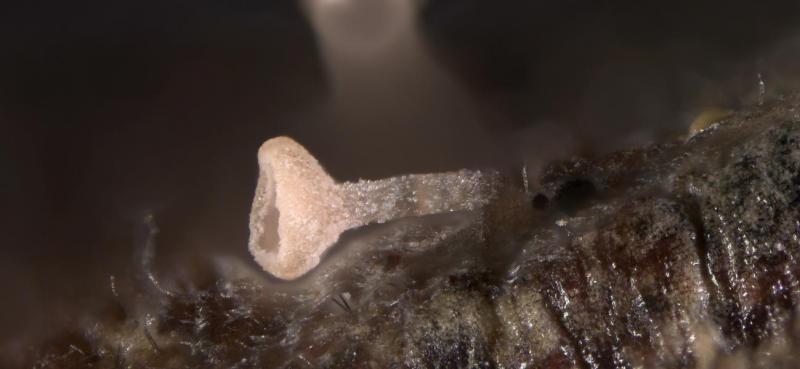
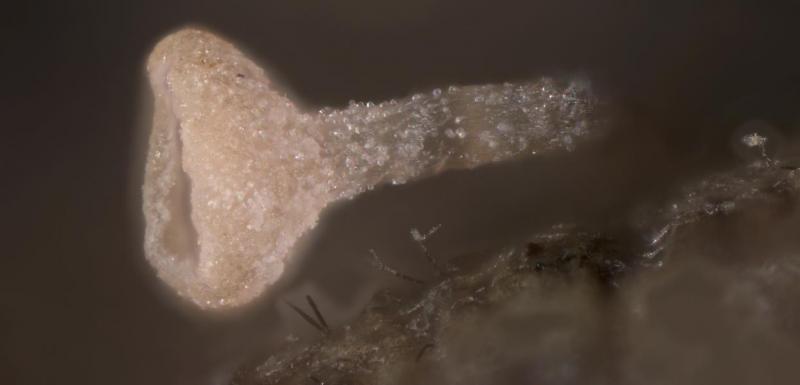
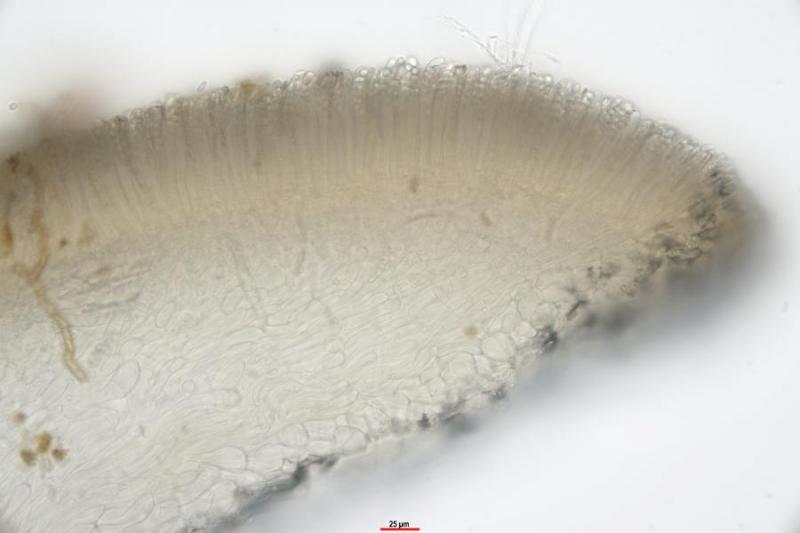
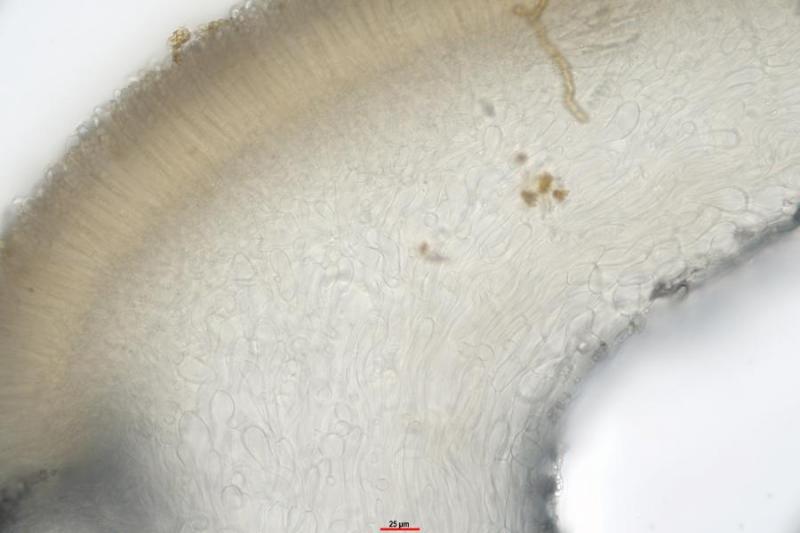
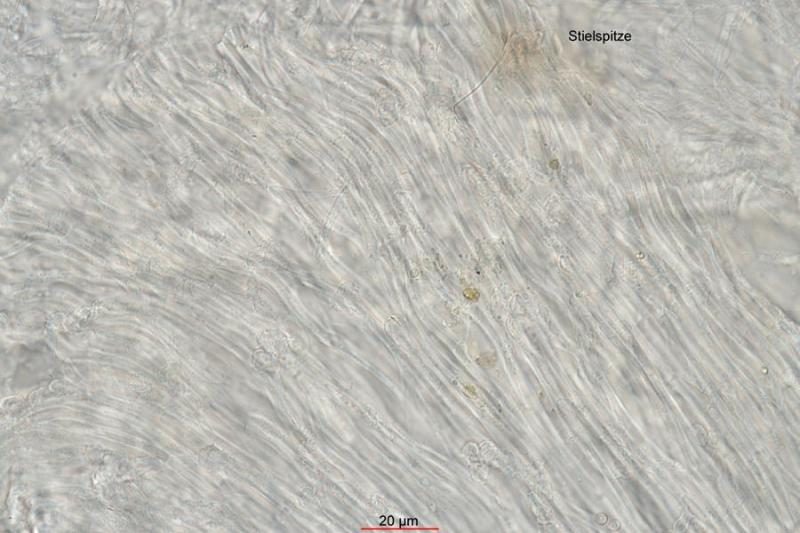
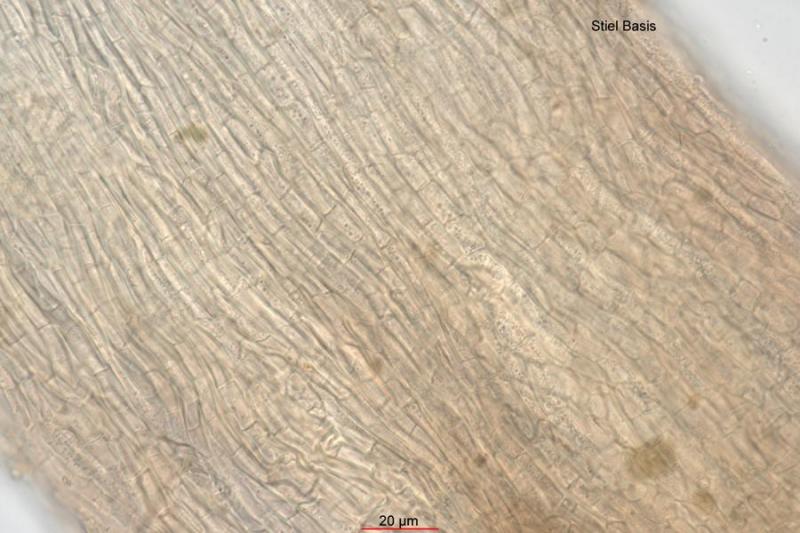
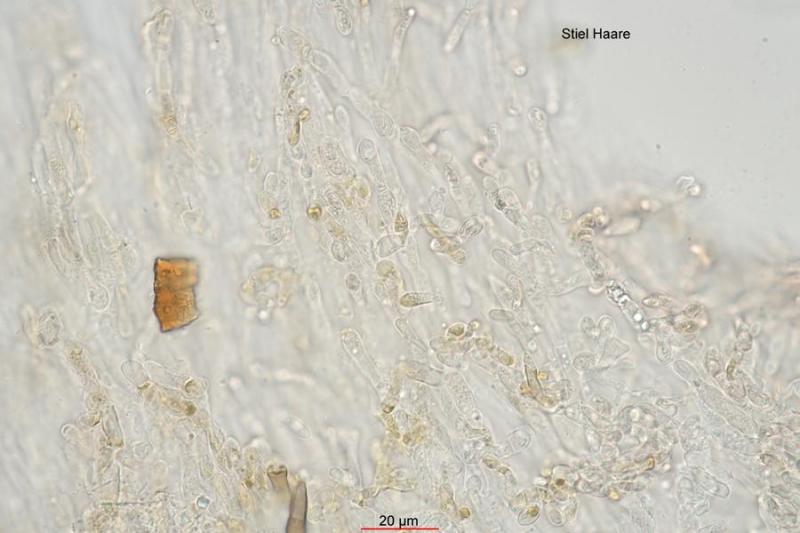
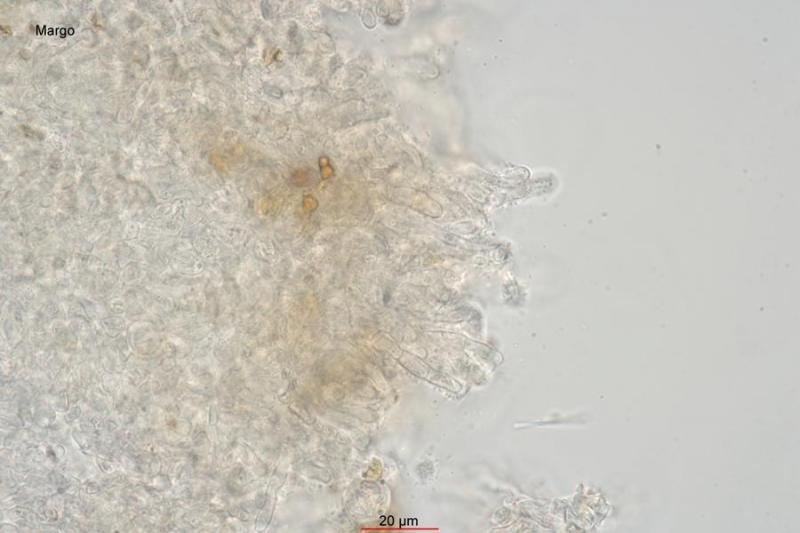
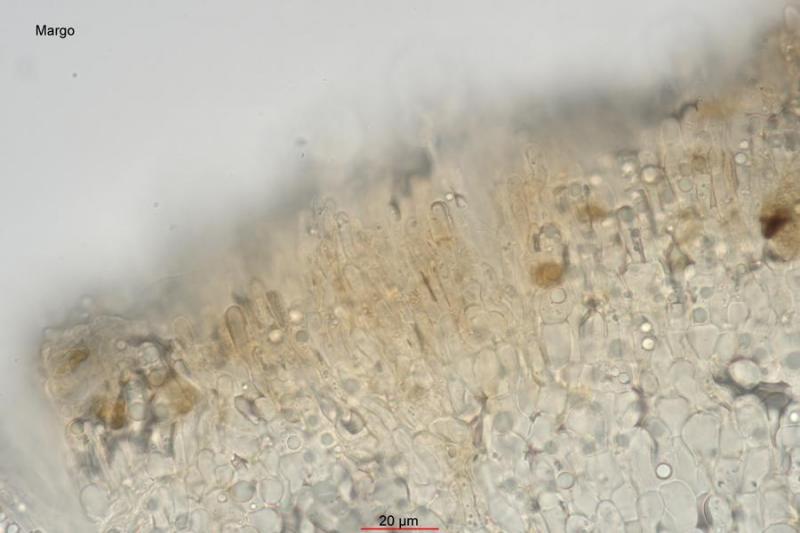
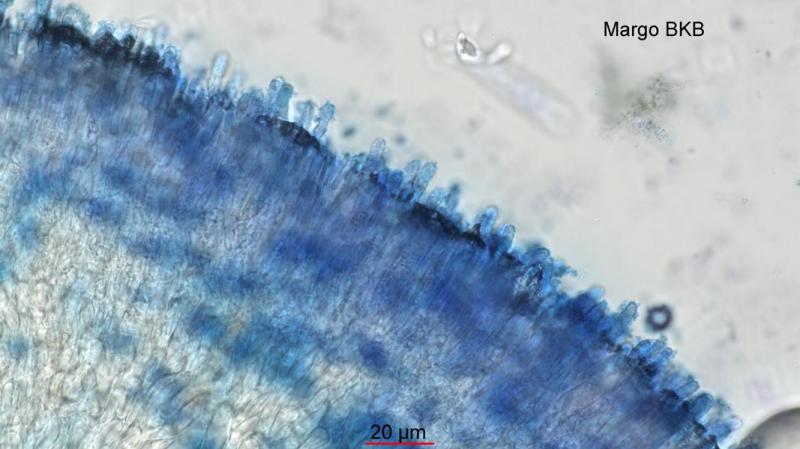
Fruiting bodies solitary to gregarious, whitish to light ochre in colour, reddish brown at the base of the stipe in older fruiting bodies. Apothecium 0.5 - 0.7 mm, clearly stalked. Stalk about 1.5 times as long as the diameter of the apothecia. Stalk, flank and margo of the apothecium covered with conspicuous hairs.
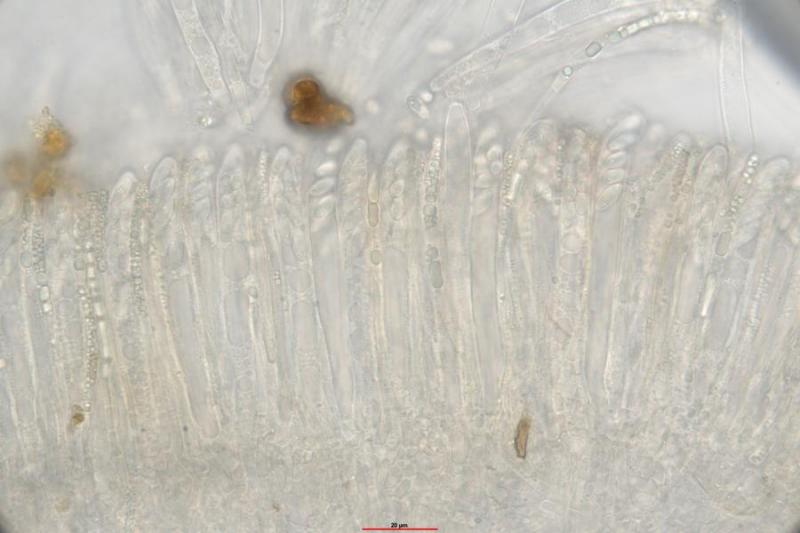
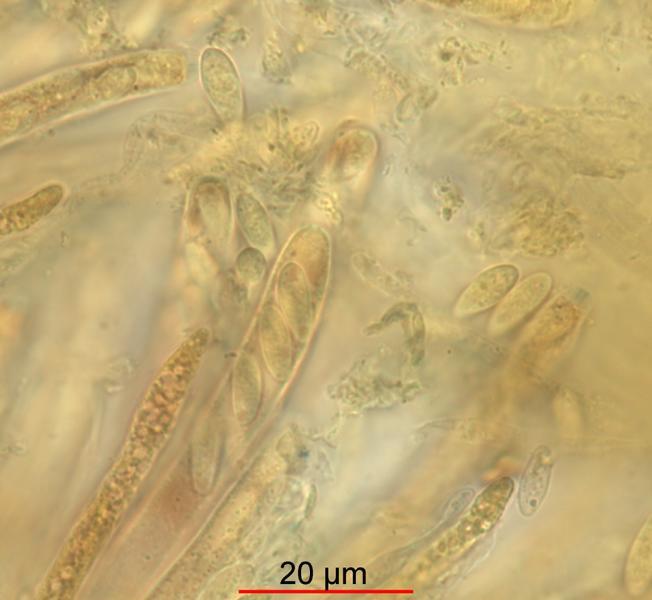
Asci IKI + with hooks, 8 spores, biseriate around 98 x 7.5 my.
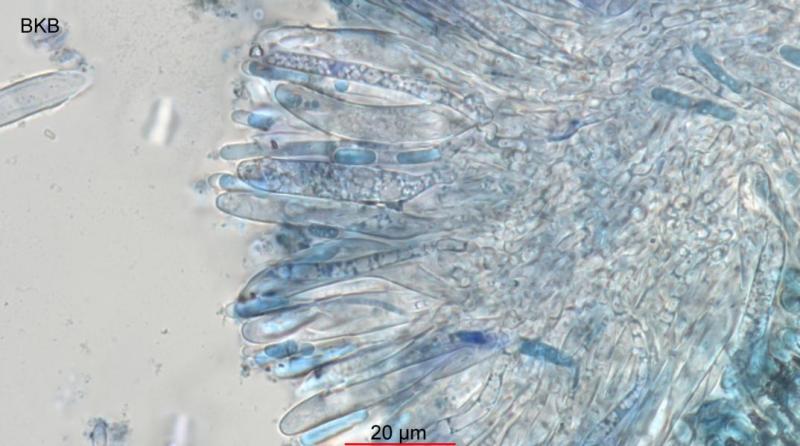
Paraphyses cylindrical, apically not expanded and the asci not protruding, with VBs or LBs (I cannot yet interpret this correctly) which can be beautifully coloured in Brilliant Kresyl Blue.
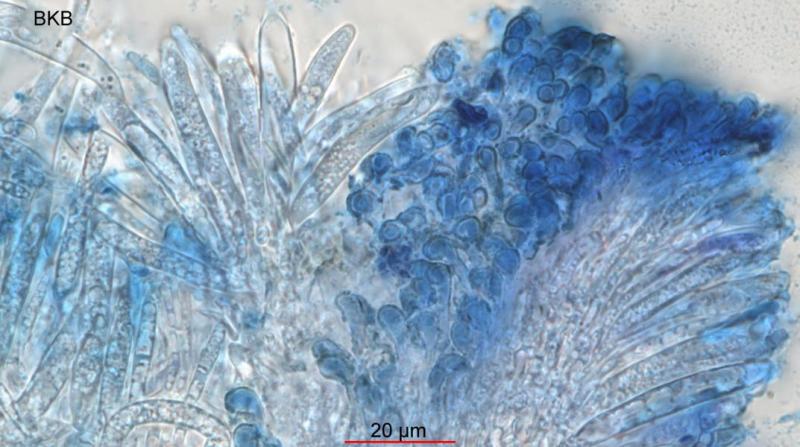
Hairs hyaline to ochre coloured, twice septate and apically clearly capitate and granulated or warty.
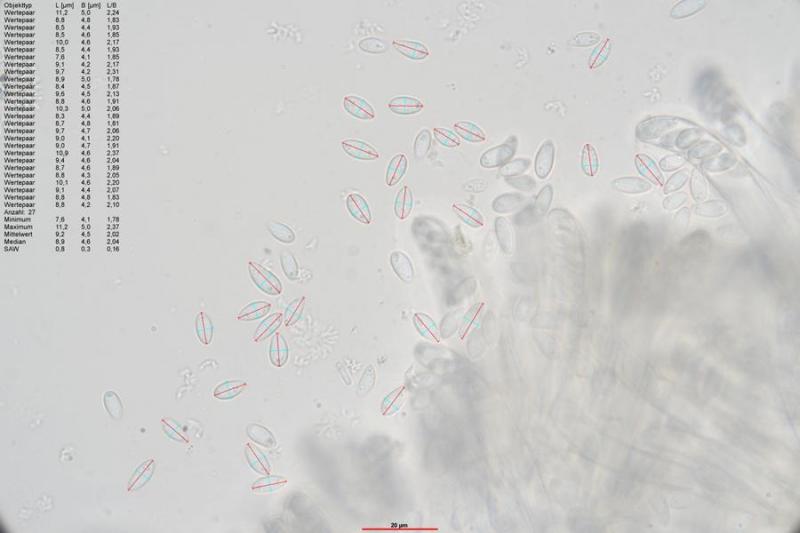
Spores hyaline, oval, slightly acuminate at one end OCI = 1-2,
(7.6) 8.9 (11.2) x (4.1) 4.6 (5.0), Q= 2.04, n=27
Can anyone help me with this finding?
Greetings, Simon
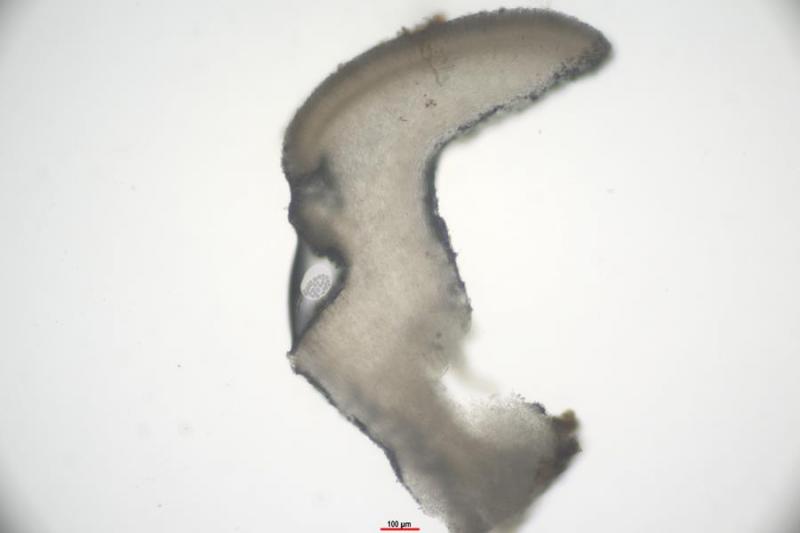
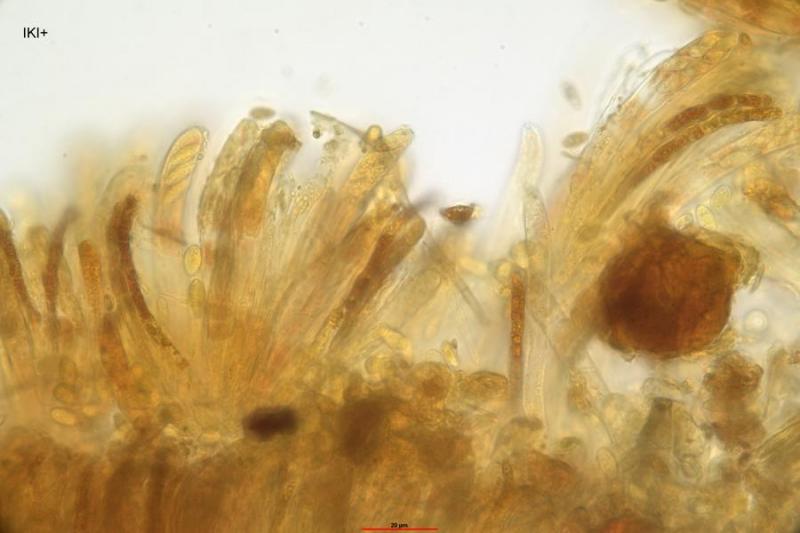
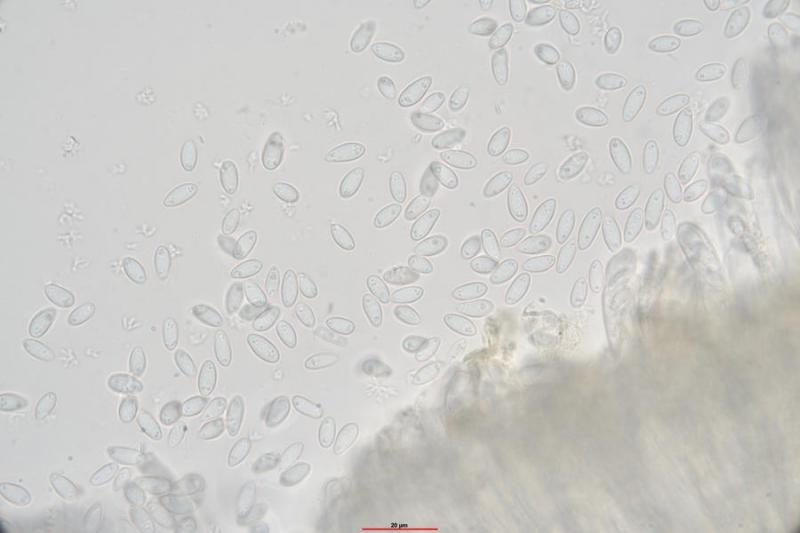

ich habe alle meine Messungen in Wasser gemacht und nur freie Sporen gemessen. Wenn ich die Bilder richtig durchgezählt habe, zeigt dieses Bild die Jodreaktion der Asci, also in Baralscher Lösung gemacht.
Grüsse, Simon