08-12-2025 21:04
Mark Stevens"Hello everyone,I'm relatively new to microscopy (
08-12-2025 18:59
 Lothar Krieglsteiner
.. found by a seminar-participant, I do not know t

16-03-2014 22:00
 Ralph Vandiest
Hello,I found this species a few months ago but ha
08-12-2025 13:39
Thomas Læssøehttps://svampe.databasen.org/observations/10572899

05-12-2025 17:33
 Bruno Coué
Bonjour, je serais heureux de recueillir votre avi
06-12-2025 00:19
 Viktorie Halasu
Hello, would anyone have this article, please? An
Puzzling pyreno
Chris Yeates,
25-04-2016 18:30
 Bonjour tous
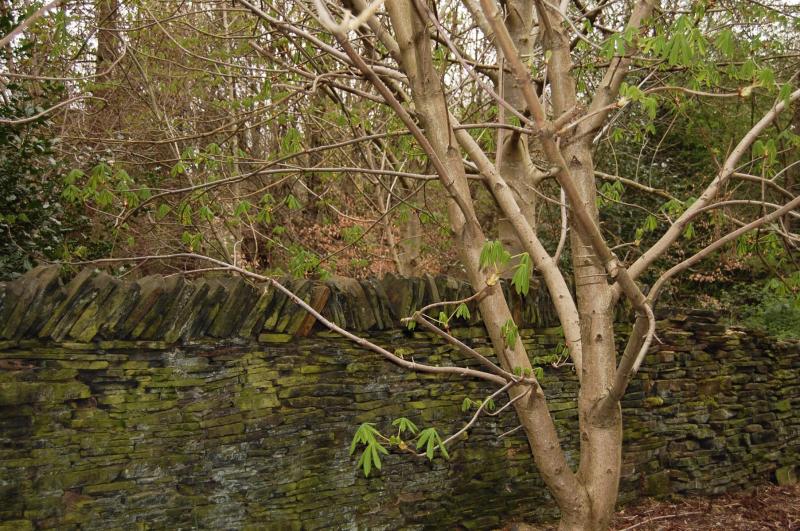
Aesculus hippocastanum (certainly in the UK) appears to have very few 'specialist fungi'. Ellis and Ellis has only four species as direct associates (although Erysiphe flexuosa has arrived since then and is spreading rapidly). Perhaps the situation is the same across Europe - ASCOFrance has only two records with Aesculus as an associate in "la Base de données"
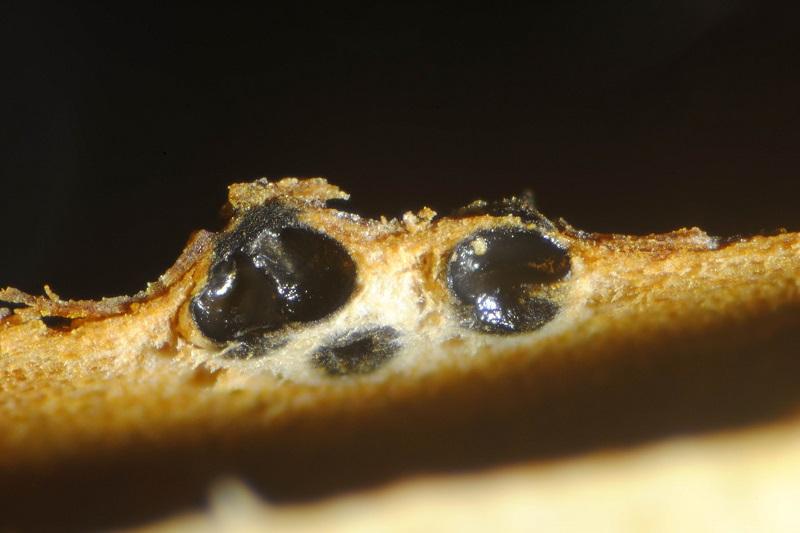
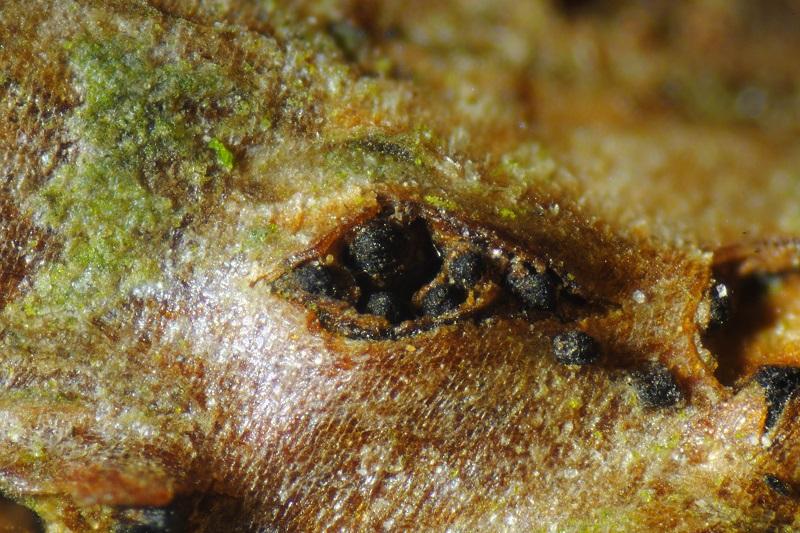
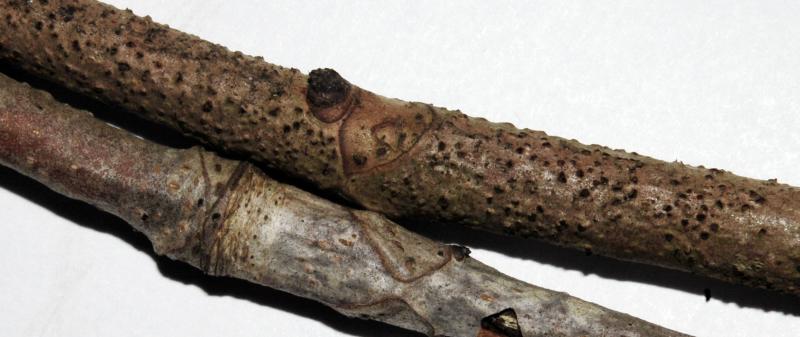
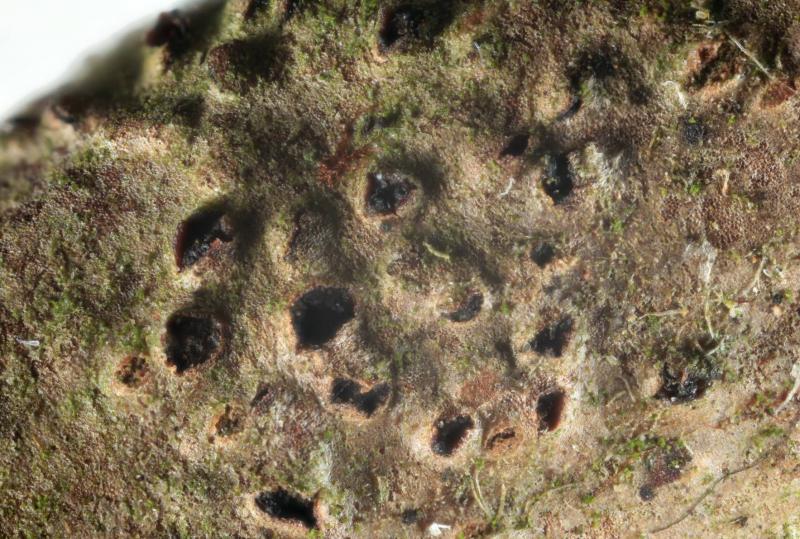
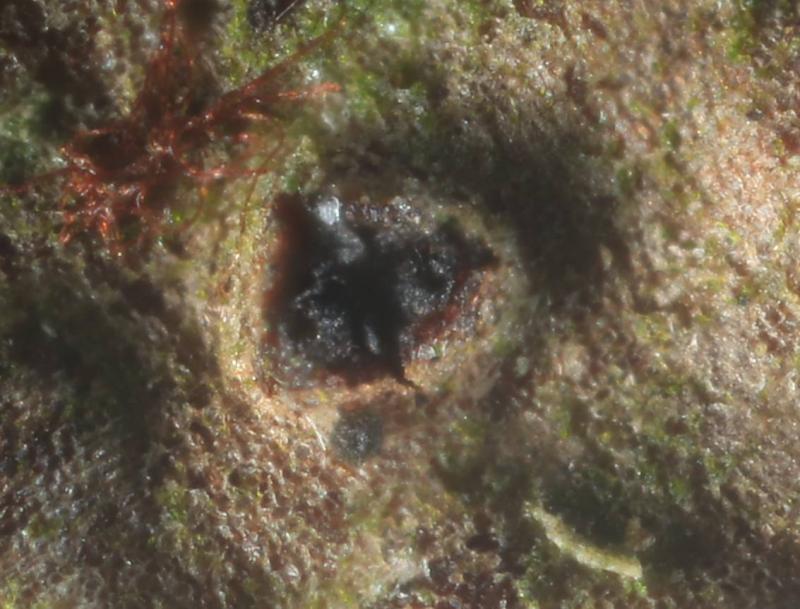
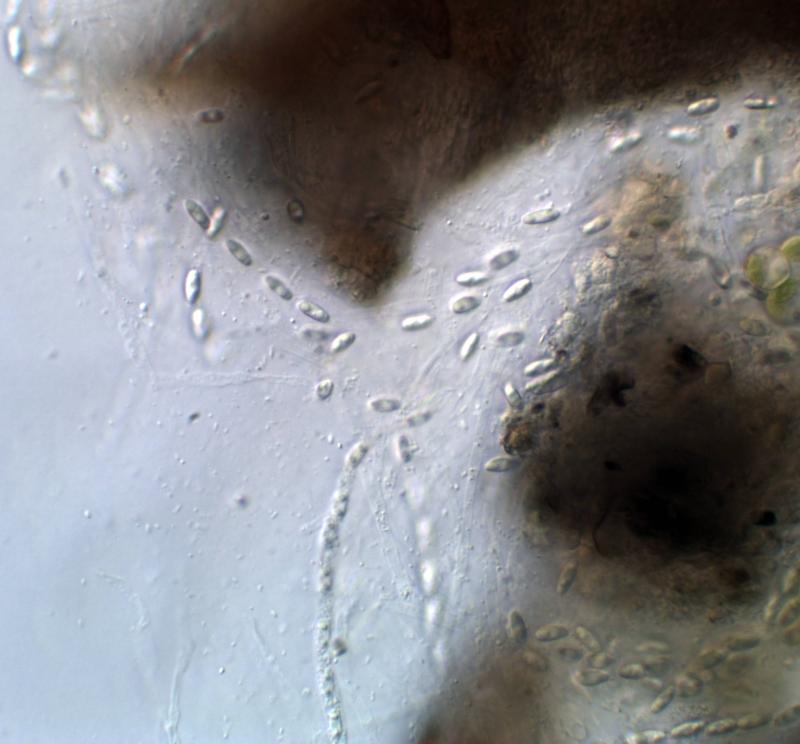
I recently collected a pyrenomycete growing on dead attached twigs and branches of a young Aesculus hippocastanum tree. The perithecia occur extensively, immersed, mostly in ones or groups of 2 (rarely more), and appear to be restricted to the bark.
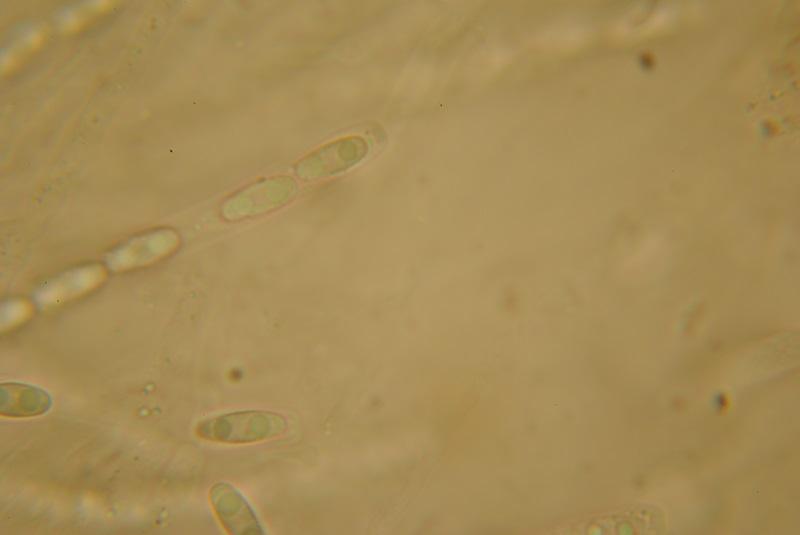
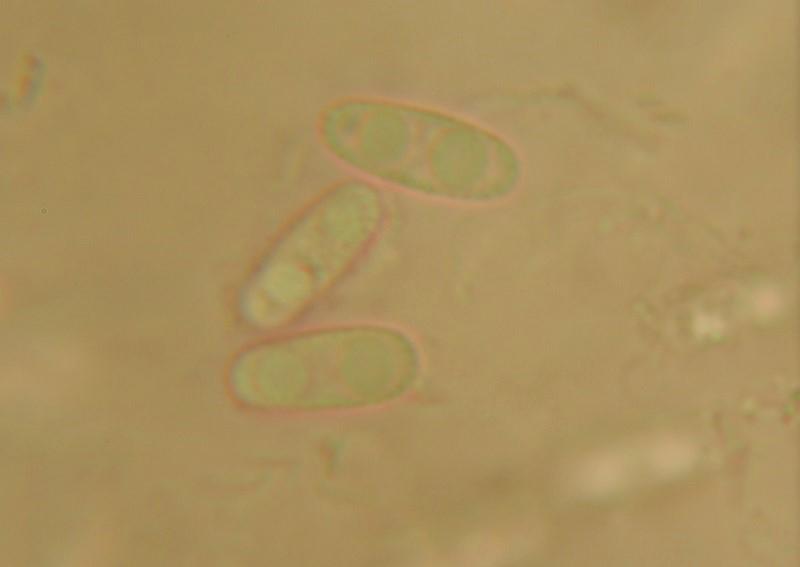
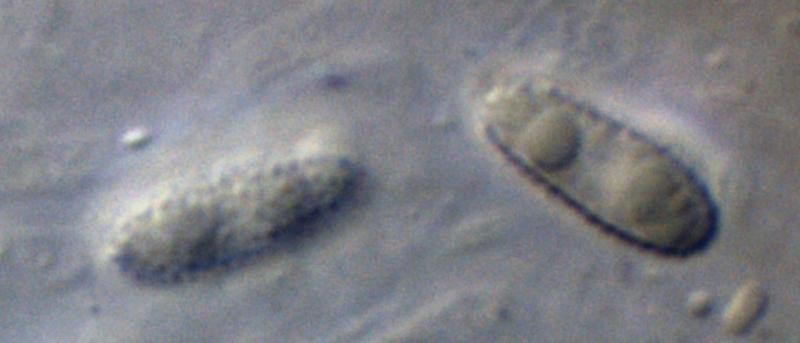
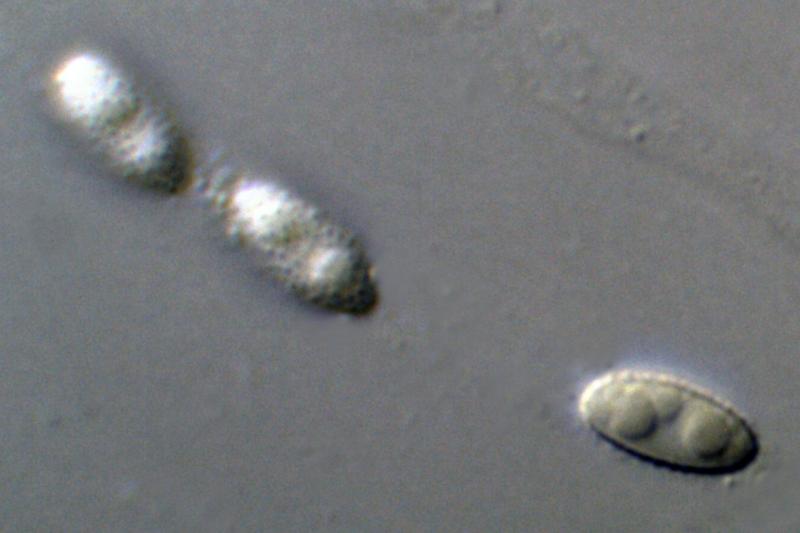
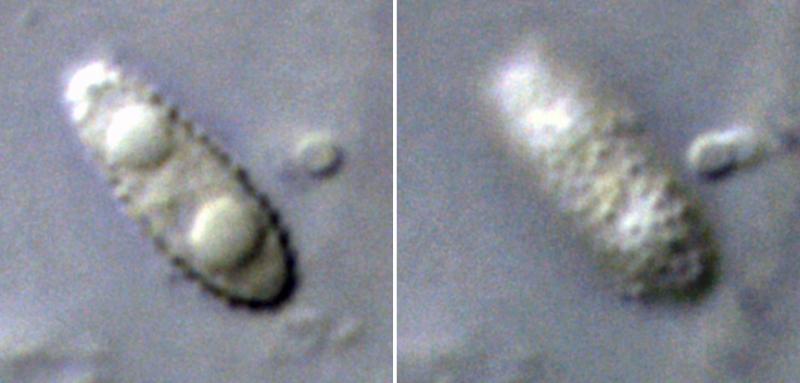
Asci are long-cylindrical, J-, with uniseriate spores (reminiscent of Phomatospora). The spores are ellipsoid, non-septate and have two large guttules (again somewhat reminiscent of Phomatospora); they measure 8.5-9.2 x 3.4-4µm.
The big surprise for me came when I examined the spores (living in water) under oil immersion at x1000 and saw that they have distinctly verrucose walls, such as one might expect in operculates. I am struggling to think of an order, let alone a genus, in which to place this collection.
Any suggestions would be very welcome.
Cordialement
Chris
Nick Aplin,
28-04-2016 00:12
Re : Puzzling pyreno
Salut Chris,
Hope all is well up there in Yorkshire.
I have little idea about the identity of your fungus, but I collected something quite similar in 2013 on dead, attached branches of Rhododendron ferrugineum in West Sussex.
The ascospores of my collection measured 8.2-9.4 x 3.4-4.1µm, pretty much identical to yours. My ascospore walls were also verrucose, although apparently slightly less so (or does DIC make it more obvious?)
It seems I didn't keep a specimen, and 'C.f. Phomatospora sp.' is apparently as far as I got with the ID but I'd be interested to hear if you get any further with this puzzle!
Best wishes,
Nick
Hope all is well up there in Yorkshire.
I have little idea about the identity of your fungus, but I collected something quite similar in 2013 on dead, attached branches of Rhododendron ferrugineum in West Sussex.
The ascospores of my collection measured 8.2-9.4 x 3.4-4.1µm, pretty much identical to yours. My ascospore walls were also verrucose, although apparently slightly less so (or does DIC make it more obvious?)
It seems I didn't keep a specimen, and 'C.f. Phomatospora sp.' is apparently as far as I got with the ID but I'd be interested to hear if you get any further with this puzzle!
Best wishes,
Nick