
12-06-2026 14:50
 François Freléchoux
Bonjour, Voici la brève description d'une Mollis
10-06-2026 21:16
François Freléchoux
Bonsoir,Le dernier du jour, en attendant votre avi
11-06-2026 19:01
 William Slosse
Hello all,In an attempt to make a culture of a sus
11-06-2026 19:03
 Nicolas VAN VOOREN
Chers membres d'Ascofrance,Le site sera placé en

09-06-2026 18:32
Camille MertensSur morceau de roseau immergé 0,5 - 0,7 mm de dia
10-06-2026 12:54
Steve ClementsBonjour encore, Pouvez-vous m'aider, s'il vous pl
10-06-2026 21:07
François Freléchoux
Toutes les tiges de gentianes jaunes de l'an passÃ
10-06-2026 13:41
François Freléchoux
Bonjour à nouveau, Voici une trouvaille d'hier.
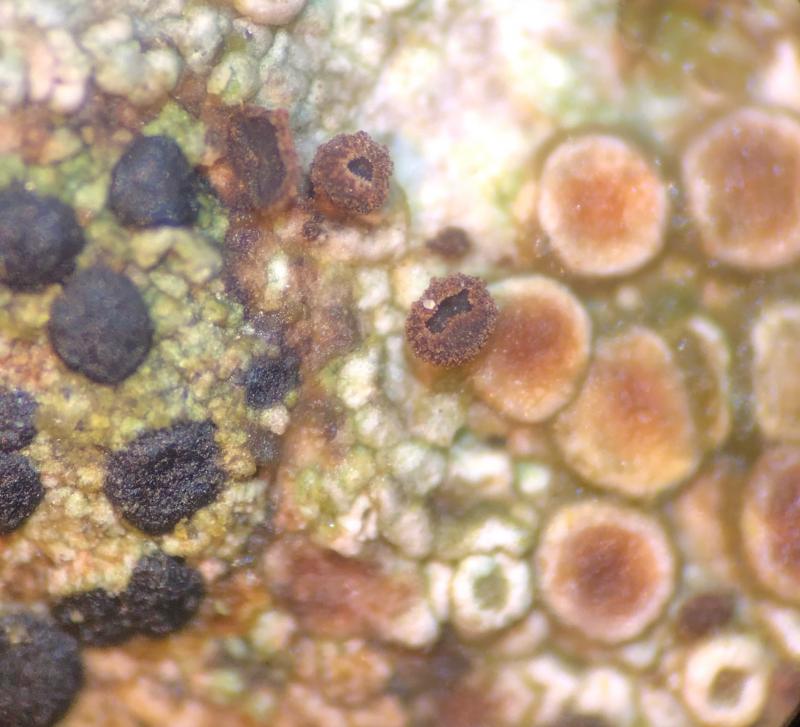
Asco found on Fraxinus twig
Robin Isaksson,
01-01-2022 21:17
 Hi!
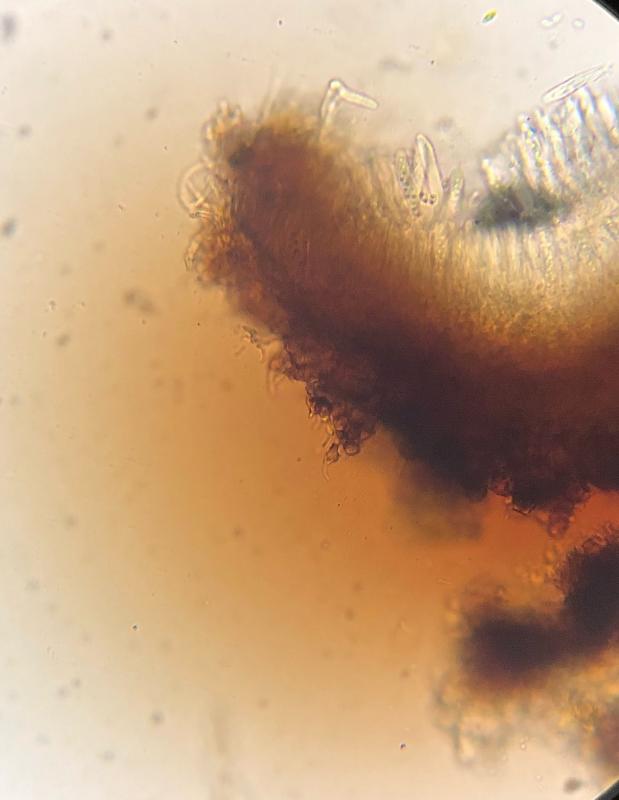
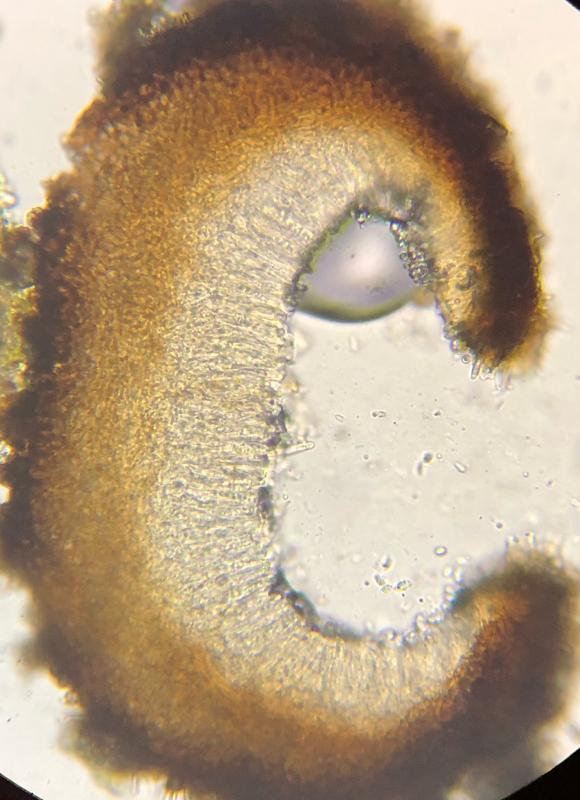
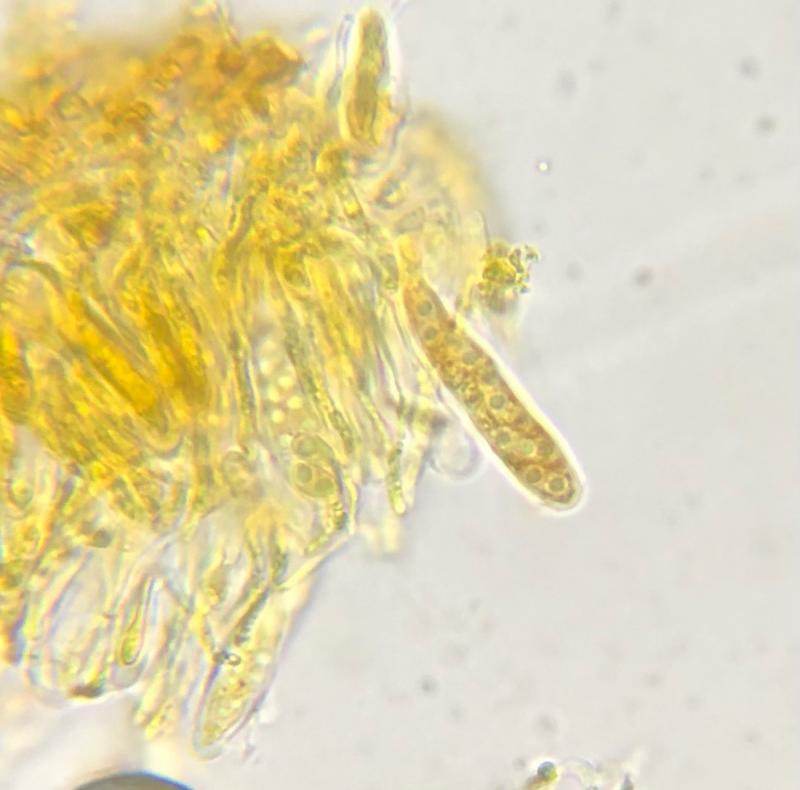
Hi!asco react orange- brown in koh10%
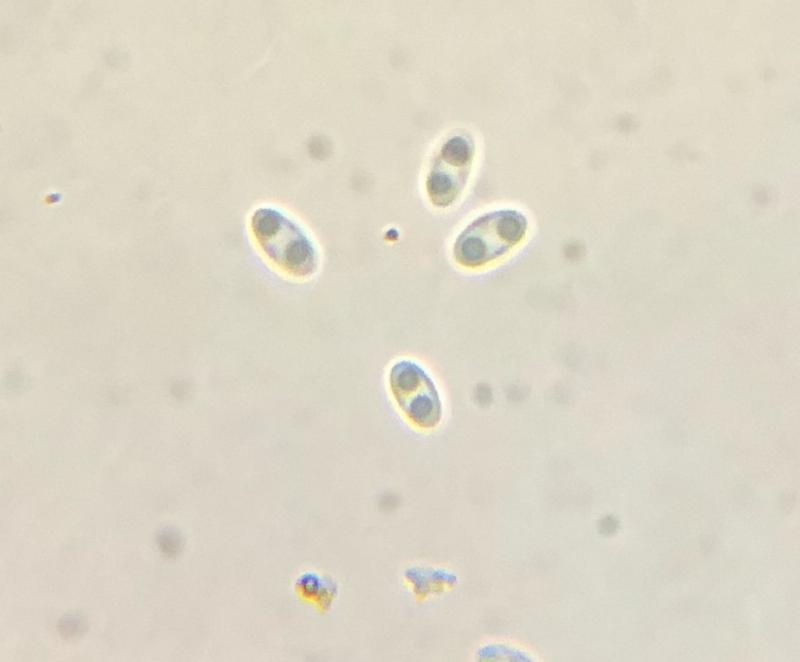
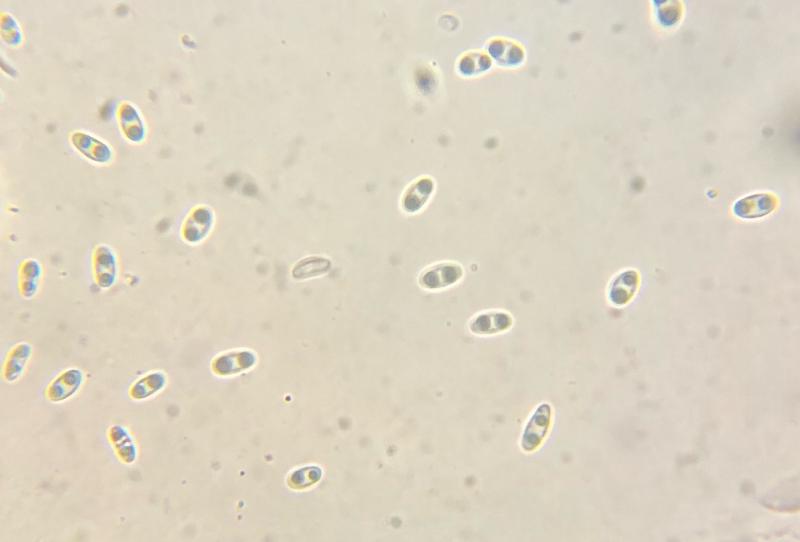
Spores around 6,5-8,5x 3,5-4 um, asci 8 spored, picture spores in water.
Asci topp no rection in lugols.
anyone knows it?
found in Sweden
Best regrads
Björn Sothmann,
01-01-2022 21:22

Re : Asco found on Fraxinus twig
Hi Robin,
by chance I just came across a post on Twitter 5 minutes ago where Mark Powell showed Unguiculariopsis thallophila on Lecanora hybocarpa. This seems to match your collection rather well, in particular since your brown ascomycete seems to be on some lichen, so you might compare with it.
Björn
Robin Isaksson,
01-01-2022 21:26
Re : Asco found on Fraxinus twig
Hi,
Yes of course, I have seen it several times before. Was completely in other thoughts.
Yes of course, I have seen it several times before. Was completely in other thoughts.
thanks so much.
Best regards
Hans-Otto Baral,
01-01-2022 22:13

Re : Asco found on Fraxinus twig
I agree. There is a wide range in the ascospore width in the literature: 6-10 x 2-4 µm. What I studied (3 samples with drawings) has spores around 6-8 x 2.3-2.7 µm. Your spores look distinctly broader than mine, though of the same length.
More details about the hairs would helpful, they have usually narrowed and curved apices.