
01-05-2026 22:45
 Thierry Blondelle
Bonjour à tous, Une récolte sur bouse séchée d
28-04-2026 20:07
 Lothar Krieglsteiner
... on twig in the air at standing Ceratonia siliq
14-04-2026 05:32
Ethan CrensonHi all, A few weeks back a friend pointed out som
28-04-2026 20:33
Vitus SchäfftleinHello, I found Trochila ilicina on Ilex aquifoliu

30-04-2026 10:28
Rot BojanHello, by appearance I would say that I am dealing
27-04-2026 18:48
Tony MoverleyCollected 23rd April 2026, Norfolk, EnglandSwarms
27-04-2026 20:52
Lothar Krieglsteiner
Found on hanging tiwg of Olea europaea in dried-ou
28-04-2026 22:51
 Bernard CLESSE
Bonsoir à toutes et tous,Pourriez-vous m'aider à
29-04-2026 08:01
Lothar Krieglsteiner
... on twig attached to small tree of Citrus auran
Does anyone have an idea what this fungus might be? Substrate is decorticated trunk of Fagus sylvatica in a forest of Abies alba, Fagus sylvatica, Acer pseudoplatanus and Picea abies. Living ascospores measure 11,7-16,5/6,3-7,1 microns. Spores rapidly die in IKI and are 4,5-6,0 microns wide. Visibility of the apical ring was only enhanced by IKI in water but seemingly with only grey shade and without blue colouration. We consulted Munk (1957), RWG Dennis (1980) and Wehmeyer (1933).
Nice regards to all,
Ivana
?
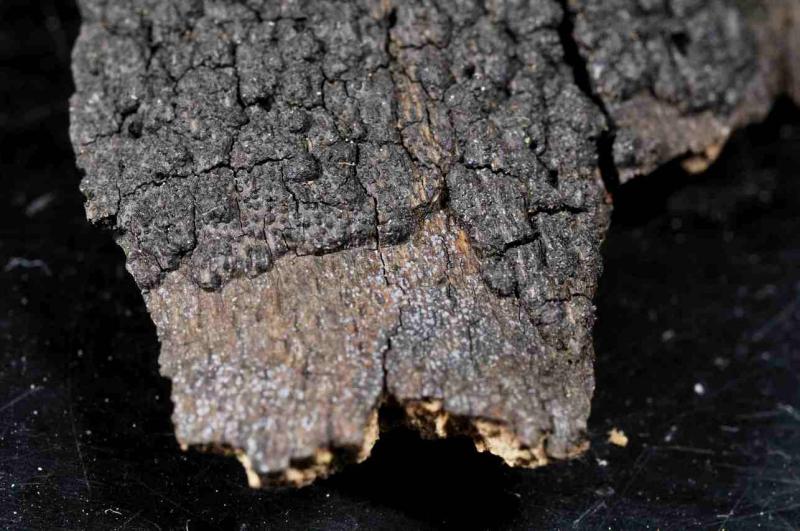

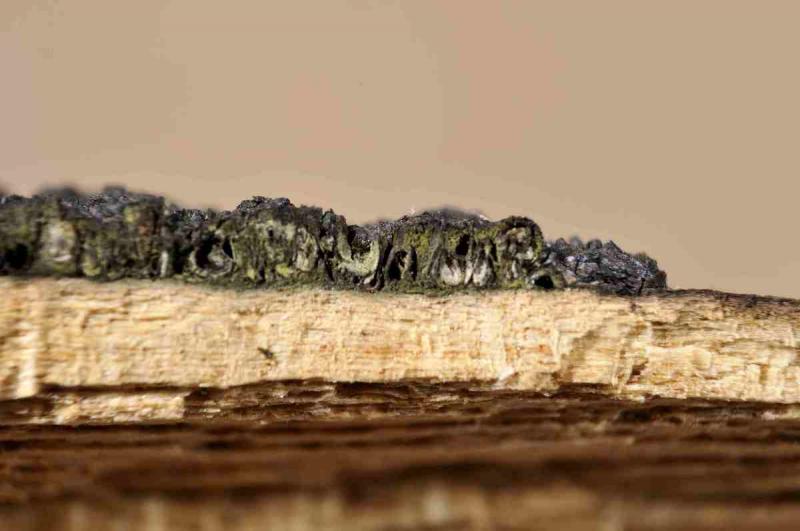
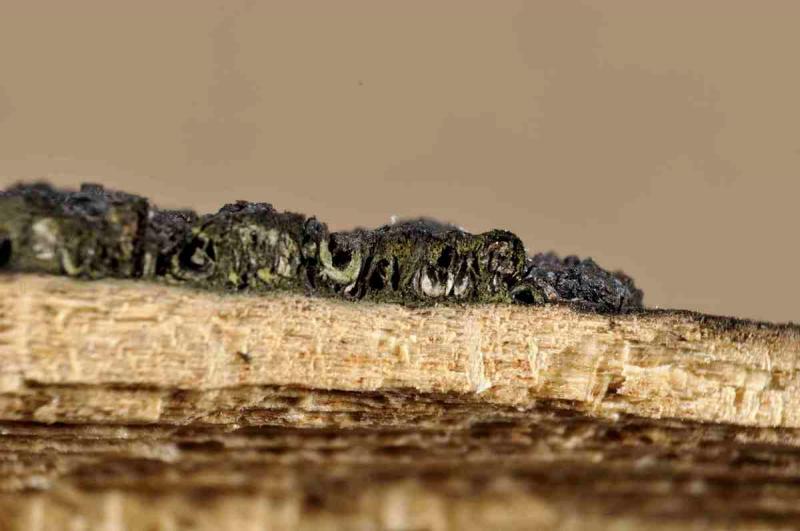
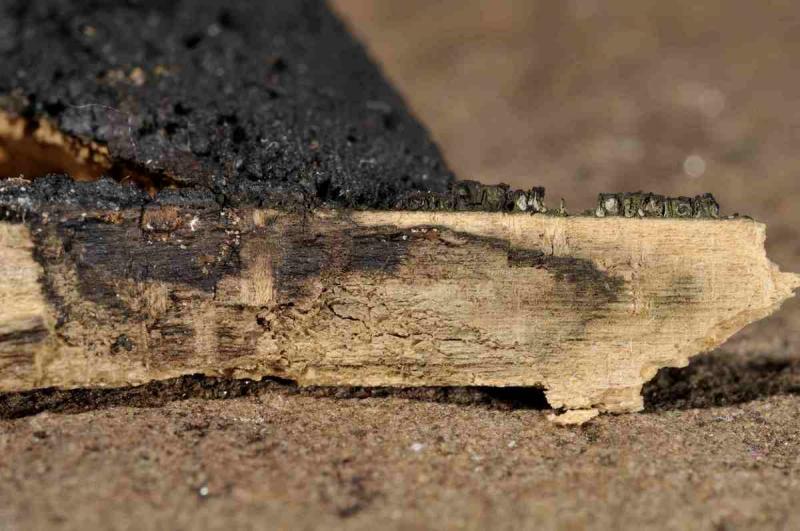
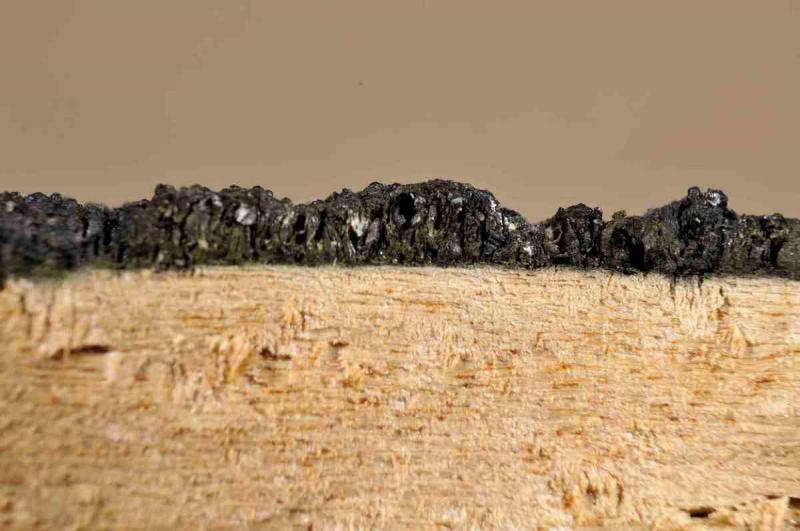
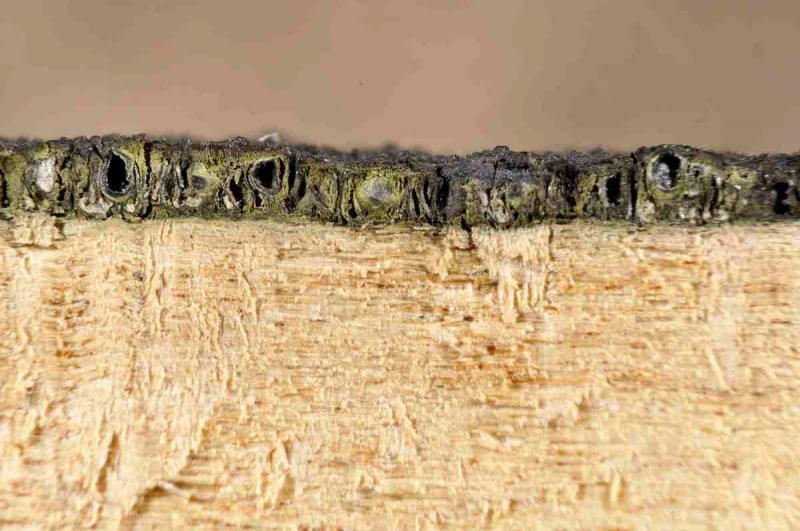

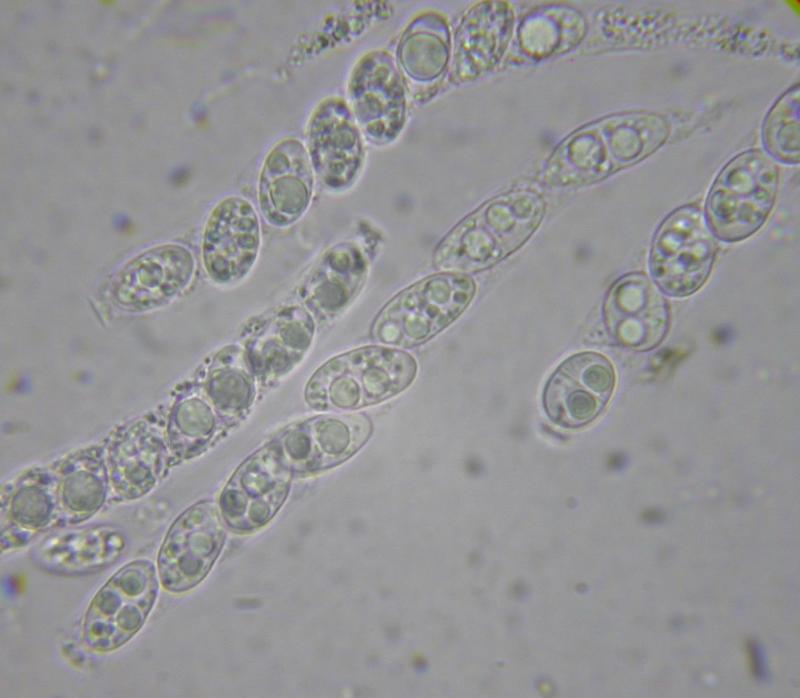
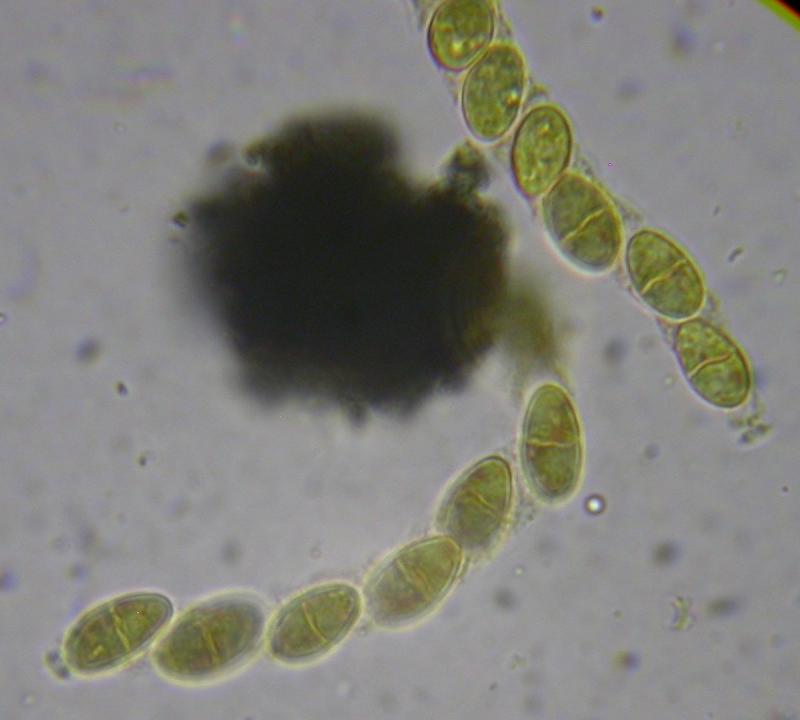
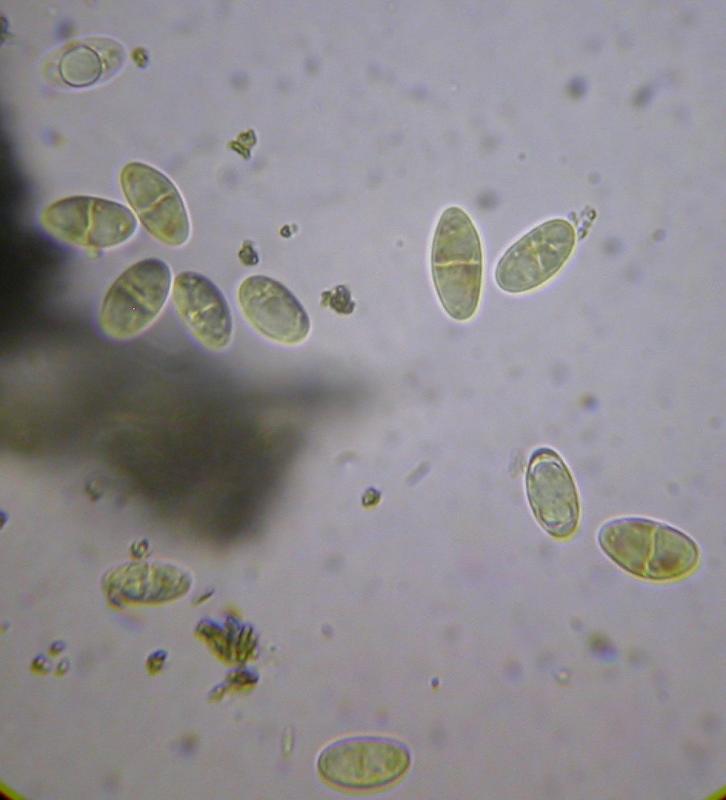
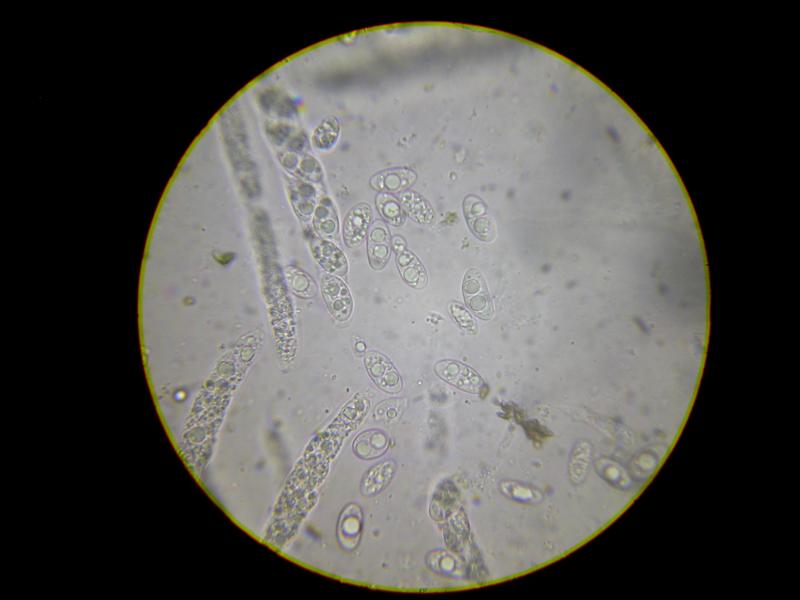
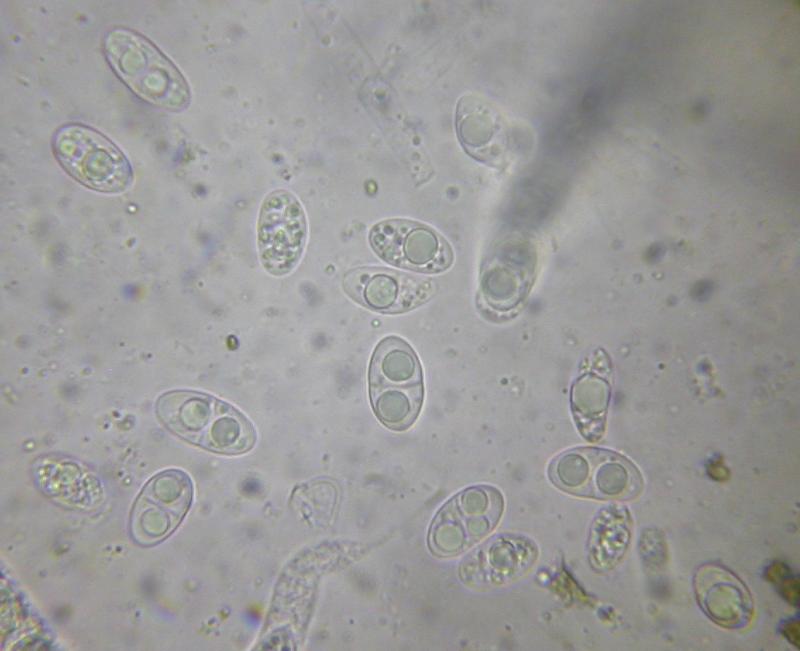

Dear Ivana
I think, you have Eutypa flavovirens with associated fungicolous fungus Didymosphaeria conoidea
Alex
 Didymosphaeria-conoidea-Niessl-0002.doc
:-))) Thank you for your help! When we cut stroma with perithecia we thought it is Eutypa flavovirens because of the green colour. But, we didn't see any Eutypa spores! Only this Didymosphaeria.... It's obvoius now why we couldn't find anything with these characters in the literature.
Best regards,
Ivana

regards,
björn

Thanks for your kind reply. All spores were hyaline and smooth. ?Also quite larger than in description attached by Alex.
Ivana