
22-04-2026 20:17
 Marian Jagers
Is anyone familiar with the Hyphomycetes genus Pse
22-04-2026 20:54
 Enrique Rubio
Hi to everybody.This Pyrenopeziza grew in moist le
22-04-2026 01:06
 Richard VALERI
Bonjour à tous.Je vous présente cette Nectria s.
21-04-2026 13:36
Gernot FriebesHi,I am out of ideas for this one. I collected Sal
21-04-2026 13:19
Gernot FriebesHi,this Lophodermium on Typha has ascospores measu
21-04-2026 13:05
Gernot FriebesHi,this hyphomycete feels familiar but I was not a
20-04-2026 22:00
 Malcolm Greaves
These pale yellow, hairy ascos were growing on cul

Good day
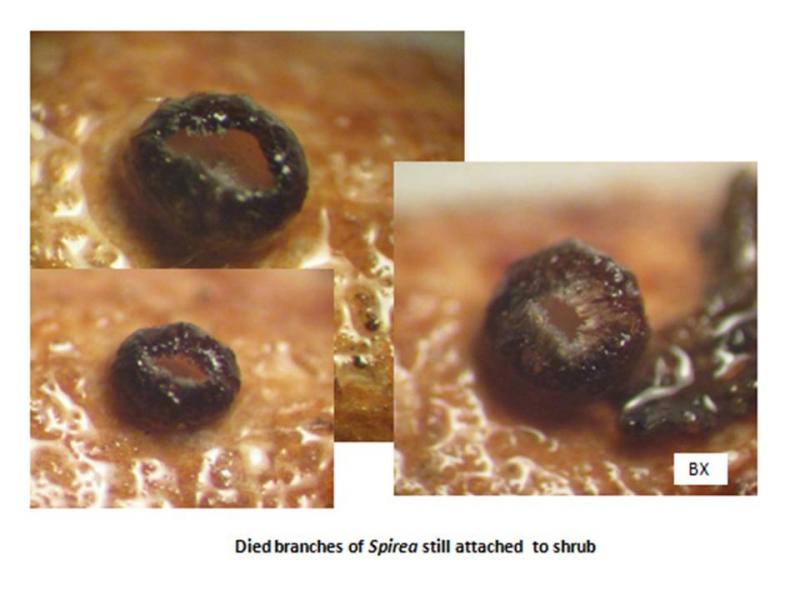
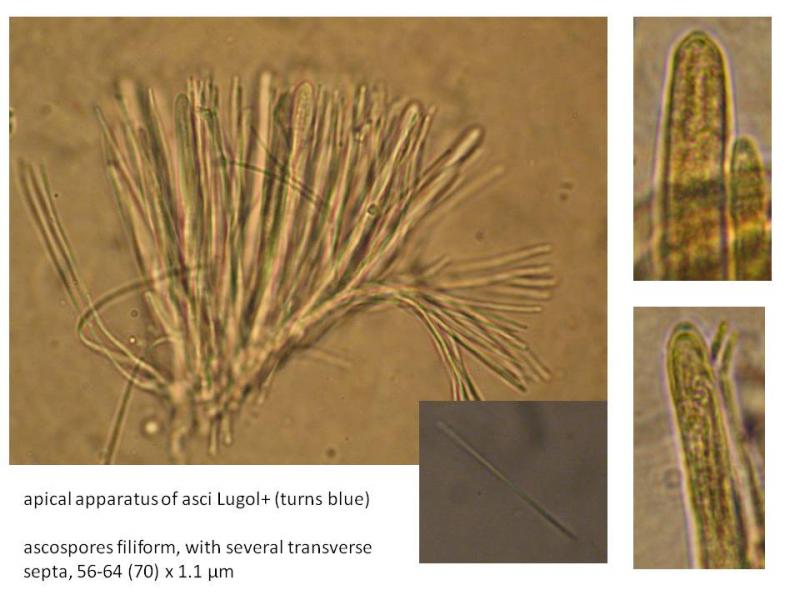
I try to make microphotos for some Discomycetes samples, which looks interesting for me. May be you have some ideas about them.
Alex

Zotto
Dear Zotto
Thank you!
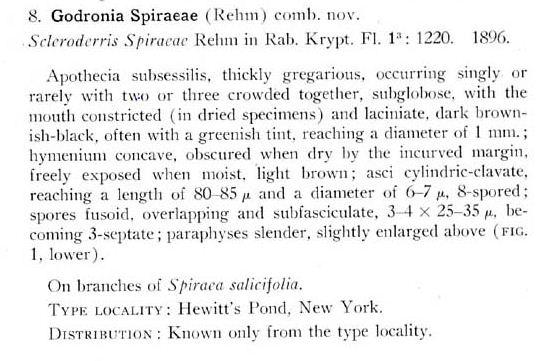
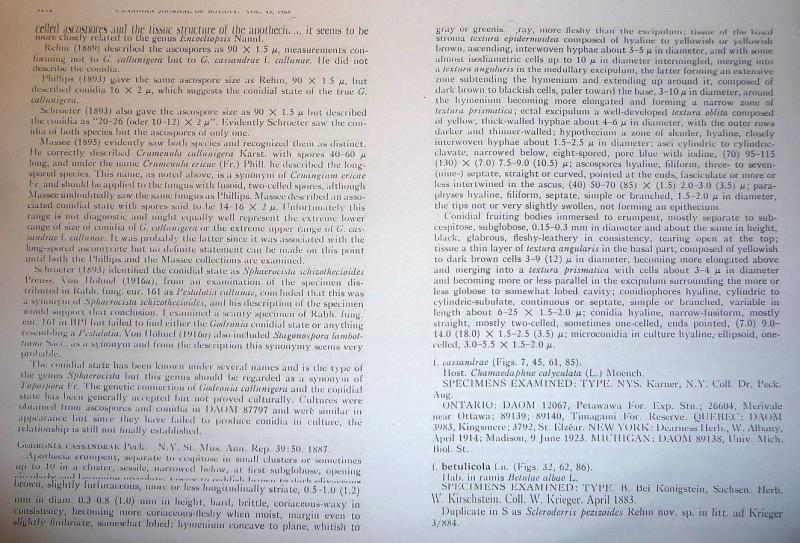
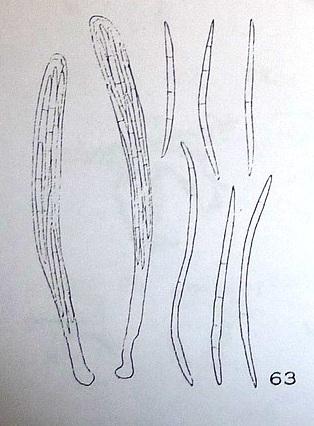
According Seaver description spores of Godronia spiraeae are 25-35 x 3-4, but in my sample - up to 70 x 1,1. Therefore, I think it is something another.
Alex
Growes J.W. The genus Godronia // Canadian Journal of Botany, 1965, 43:(10) 1195-1276? I have not access to this article. Possible there are more information about Godronia spiraeae there.
Alex
Thank you, Guy.
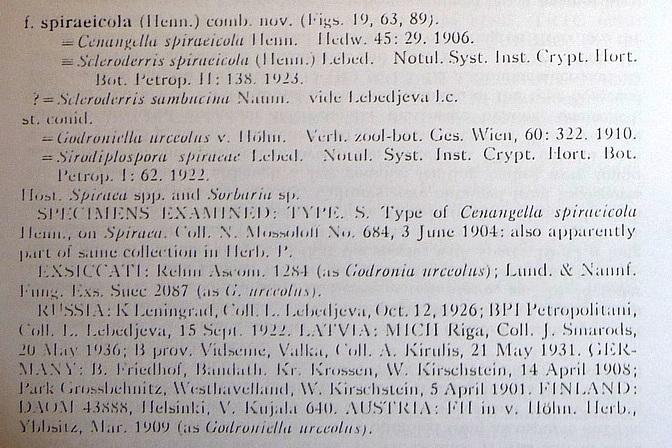
I can not to verify your idea , because I have not Groves original article from Canadian Journal of Botany:-( But according Mycobank, basionim of Godronia cassandrae f. spiraeicola (Henn.) Groves is Cenangella spiraeicola Henn. In the original description of Cenangella spiraeicola in Hennings paper spores are even smaller - 10-13 x 1,5-2.
May be you have another information?
Alex
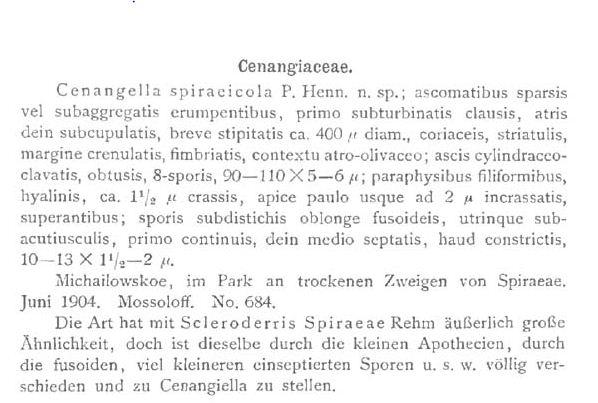

this sporesize fits good for the imperfect, Groves gives no indication for the sporesize of this forma so i assume it will be the same as cassandrae only differing in substrate.
i will send photos.
cheers Stip
My specimens really looking like Godronia cassandrae f. spiraeicola (Henn.) Groves. But there are some confusions because visual similarity of macroconidia and ascospores.
Alex
For spiraeae Groves says 20-45 x 2.5-4 µm, which is also much wider than you say.
Zotto
I plan to be in the same locations in the Carpathian mountains in 2 weeks and try to find a more mature specimens.
Alex