
08-02-2017 18:56
 Lothar Krieglsteiner
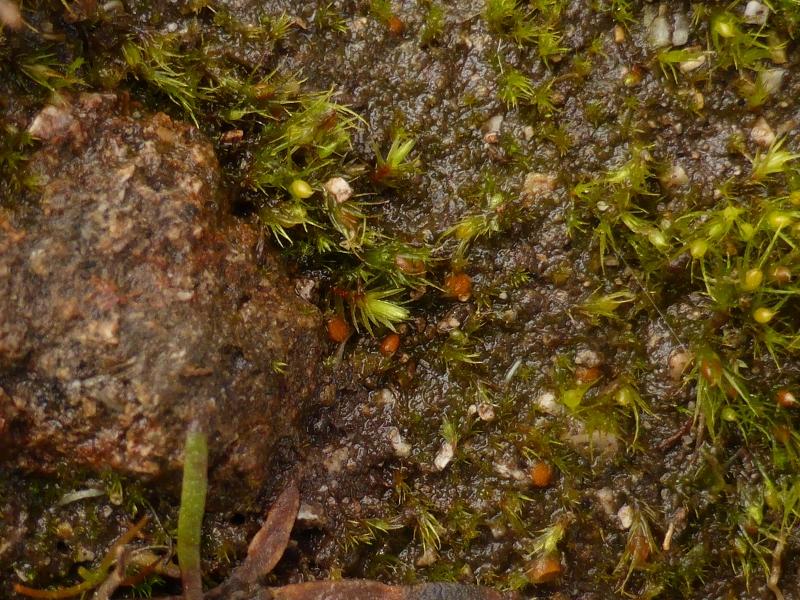
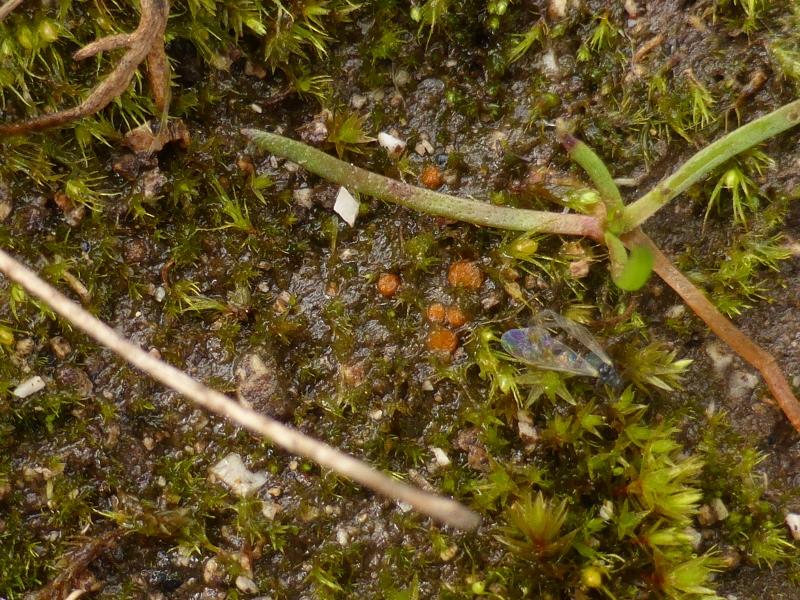
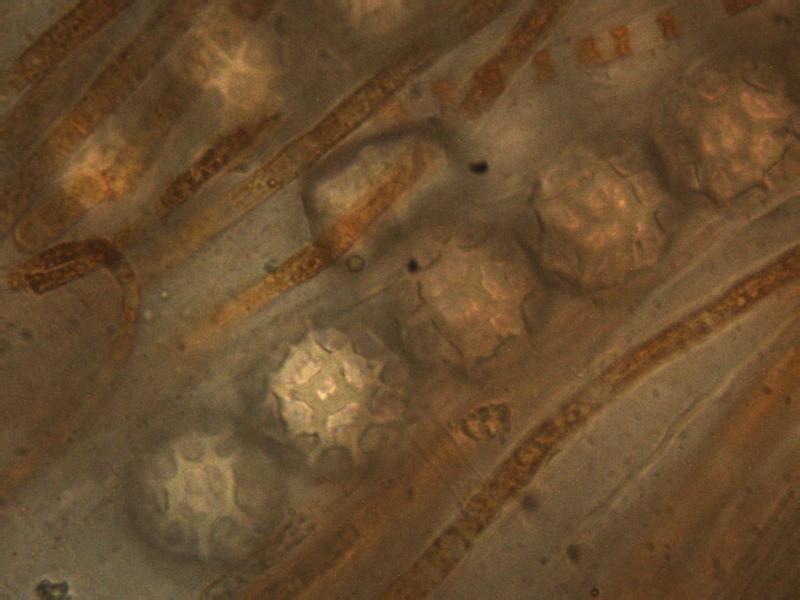
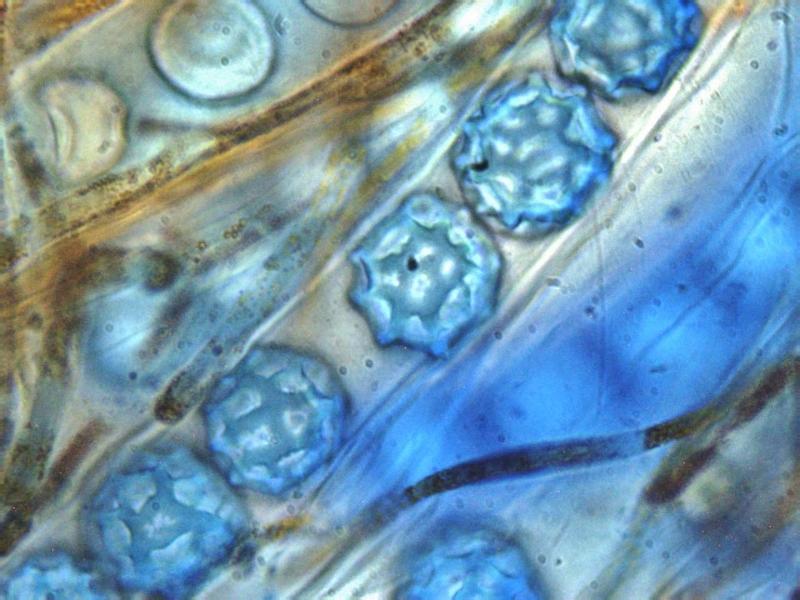
... collected at 21.2.2016 at the mountain Foia ne
08-02-2017 17:21
 Bernard CLESSE
Bonjour à tous,Trouvé avant-hier ce Lamprospora
08-02-2017 20:38
 Enrique Rubio
Hi againI have found on fallen branches broken by
08-02-2017 08:46
Ethan CrensonIn Brooklyn, NYC on hardwood (possibly Quercus) on
07-02-2017 14:45
Roland LabbéBonjour !Voici un Gibellula, leiopus probable.Est-
08-02-2017 20:59
Bernard CLESSE
Bonsoir à tous,Trouvé ce petit asco brun sur tro

17-01-2017 16:43
Carmel SammutFound in the north of Malta on dead twig under oli
07-02-2017 22:26
Steve ClementsBonjour,On a trouvé cette anamorphe(?) orange sur
01-02-2017 11:58
Lepista ZacariasThis fungus was found growing on a non-identified
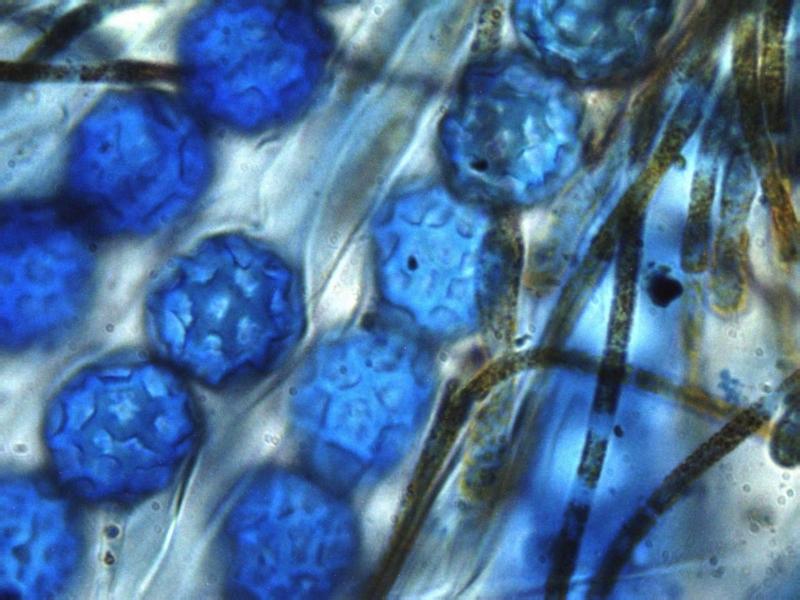
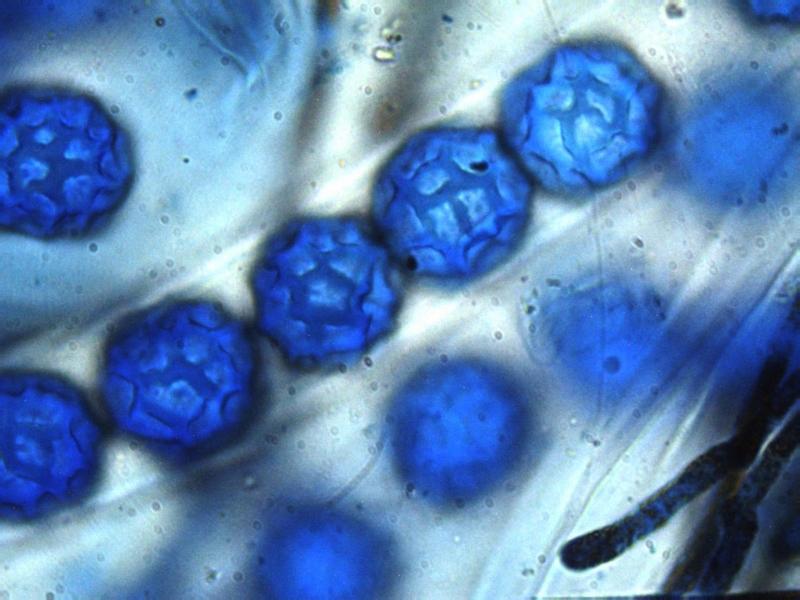
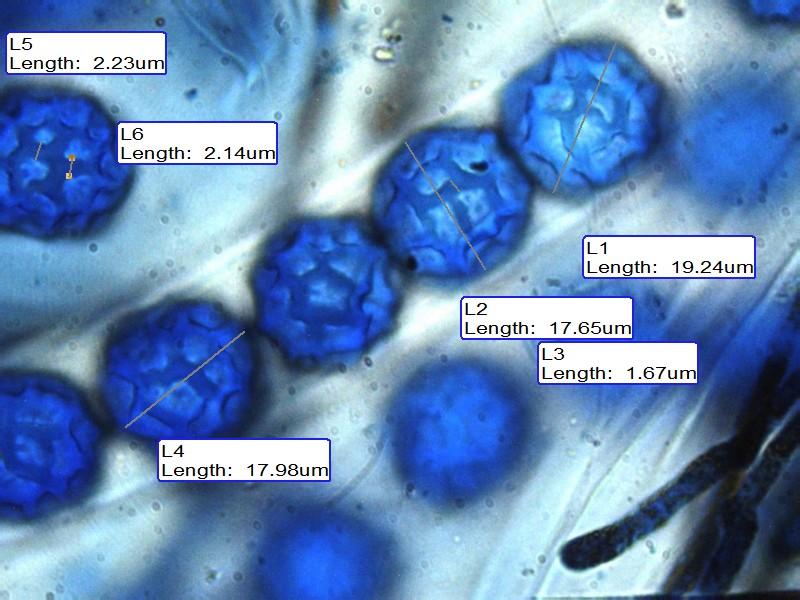
... collected at 21.2.2016 at the mountain Foia near Monchique.
I do not come to a clear result - can somebody make a proposal?
Best regards from Lothar



Hi Nicolas,
thank you for the name "pseudoarvensis". But - I do not find this taxon in the internet at all. Where is it published?
Best regards from Lothar
not yet published – but soon. :-)
Best wishes,
Gernot
Contact Marcel if you want to have more information.
.. ah - Zuzana wrote me a mail and cleared me up. It was my own collection - also from Portugal - published by Vega & Richter. The taxon is not yet published. So - I wait and see ;-)
Best regards from Lothar
Je crois que c'est ce qu'on appelle Lamprospora (pseudo)arvensis. Je ne sais pas si l'espèce a déjà été publiée mais je l'avais reçue des Pyrénées orientales.
Gilbert
Hello Gilbert,
thank you very much for your estimation!
Best regards from Lothar