
17-04-2026 19:16
 Enrique Rubio
Hi to everybodyI would appreciate any assistance r
14-04-2026 05:32
Ethan CrensonHi all, A few weeks back a friend pointed out som
17-04-2026 15:14
 Bruno Coué
Bonjour.Récoltes du 16/04/2026, sur feuilles mort
12-04-2026 15:52
Gernot FriebesHi,I'm looking for help with this anamorph collect
14-04-2026 21:52
Gernot FriebesHi,found on dead leaves of Carex elata. Conidia: 4
16-04-2026 22:09
Buckwheat PeteHello, I'd like to ask about this older specimen:
15-04-2026 19:33
Fátima Durán ManzanequeHi!! I need help, I found this Ascomycete but I d
14-04-2026 20:31
Gernot FriebesHi,can this be Psilachnum lateritioalbum on Phragm
12-04-2026 17:56
 Hardware Tony
Found on dead stems in February earlier this year
12-04-2026 12:22
 William Slosse
In a dune grassland in Oostduinkerke (Belgium), on
Phaeocryptopus?
Guy Buddy,
14-06-2022 18:22
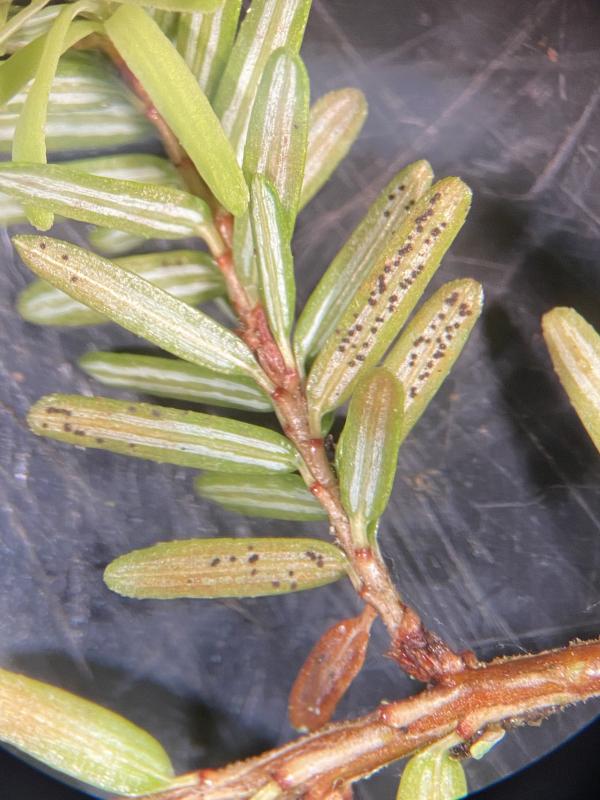
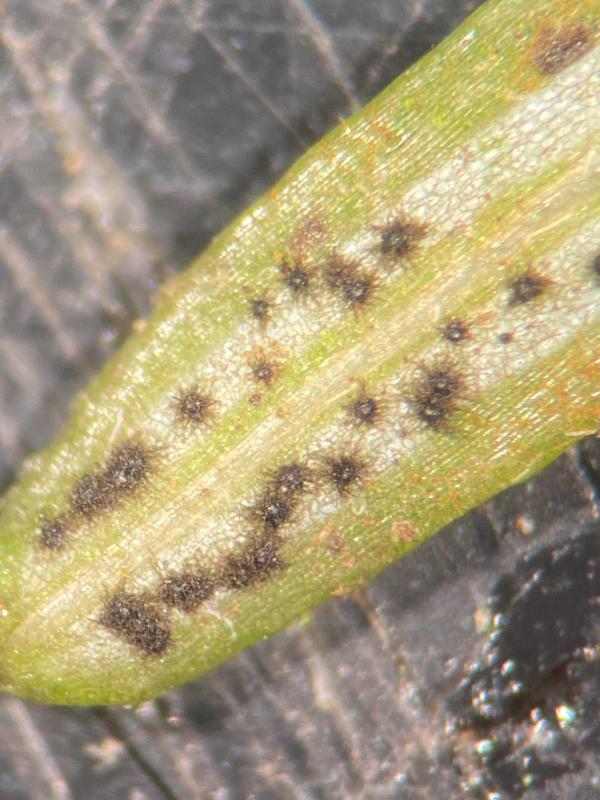
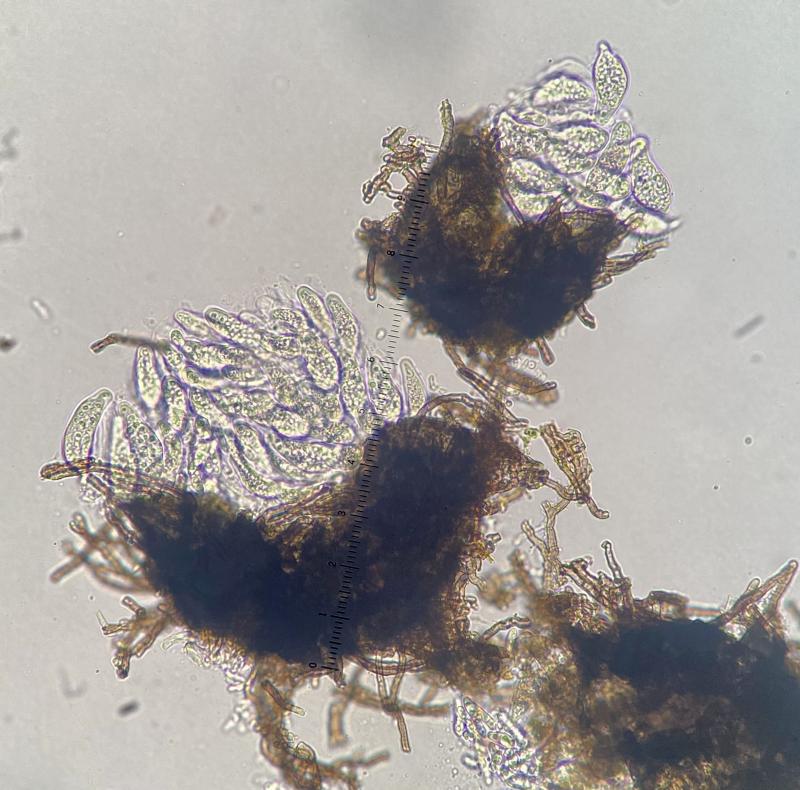
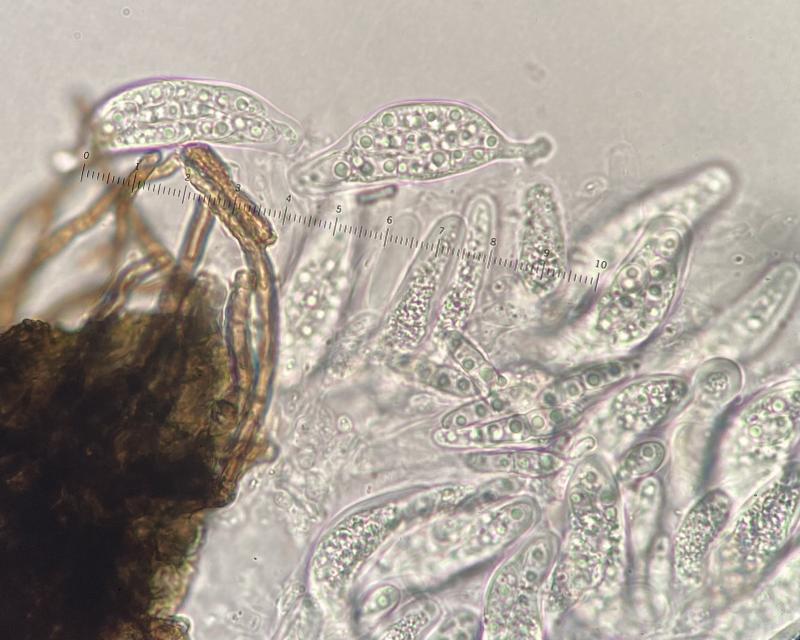
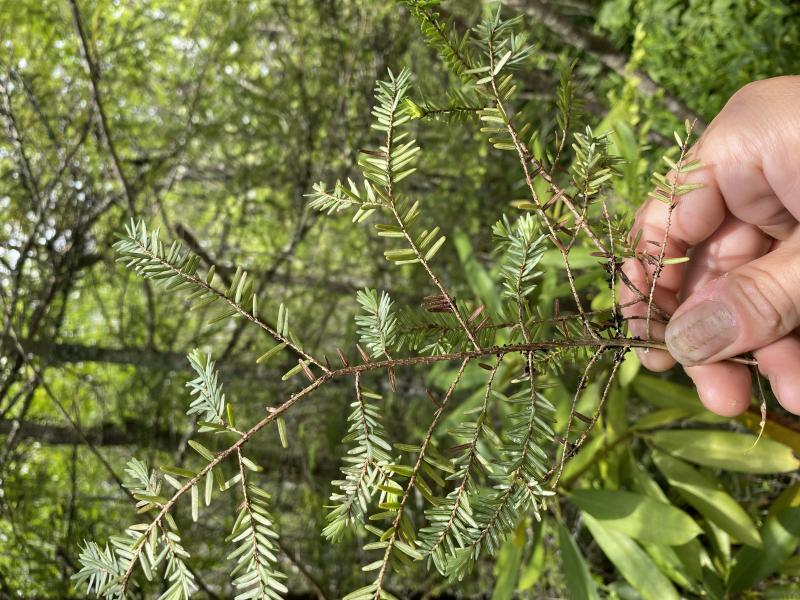
Could this be a species of Phaeocryptopus? P. nudus has been reported on this host before, but I cannot find much info on it. The tree was experiencing a needle cast of last years growth, Fabrella tsugae was also found on the same branch. No amyloid reaction in Lugols. All micro taken in H2O. Spores measure 8-10 x 4-5 um.
Location: Cranberry Wilderness, West Virginia, USA
Host: Tsuga canadensis
Thanks!
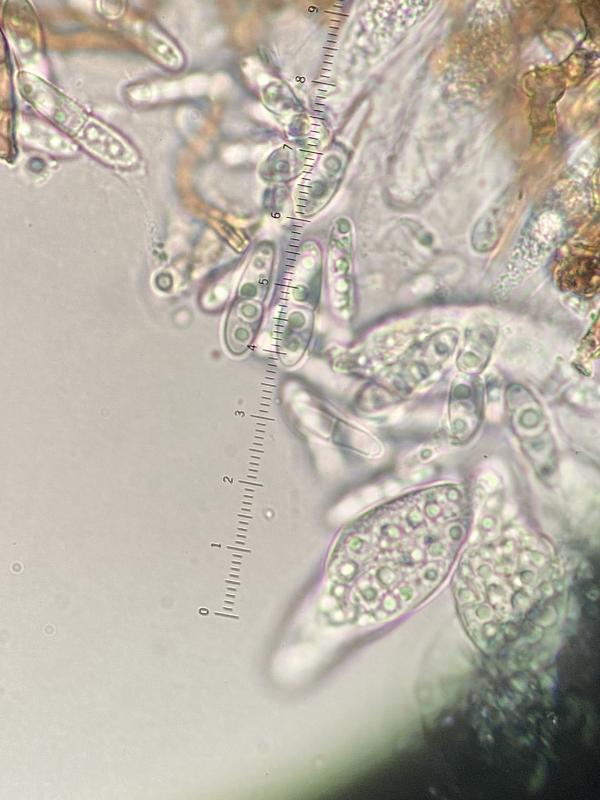
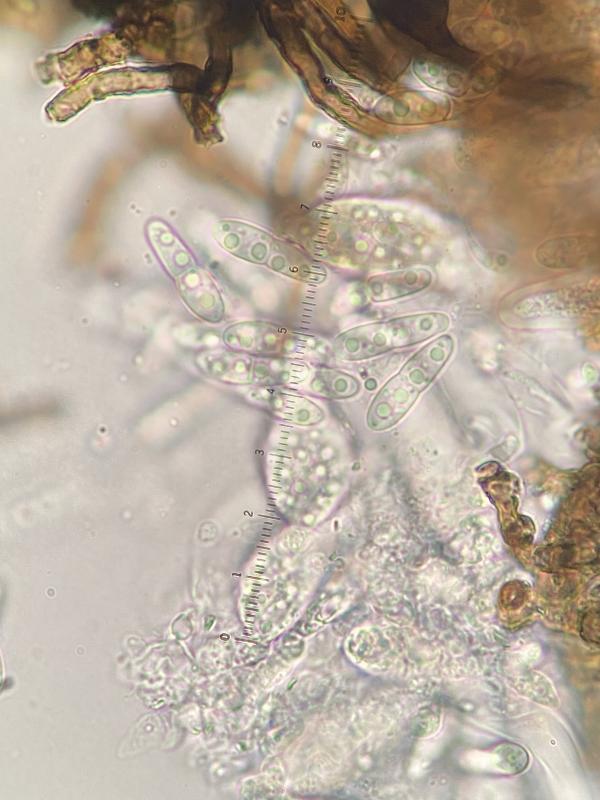
Guy Buddy,
17-06-2022 03:46
Re : Phaeocryptopus?
Looking closer the ascomata do not appear to be erupting from the stomata. But the bitunicate asci and spores look promising for Venturiaceae.