11-05-2026 12:32
 Bernard CLESSE
Pourriez-vous m'aider à identifier cette héloti
13-05-2026 15:26
 François Freléchoux
Bonjour,Voici une récolte faite il y a quelques j
12-05-2026 15:41
 Nicolas VAN VOOREN
Dear Ascolovers, especially interested in Pezizale
13-05-2026 12:05
 Thierry Blondelle
Bonjour à tous,J'aimerais avoir confirmation de c
10-05-2026 23:17
 Andreas Gminder
Hello,today we found in a moist steep decidous for
28-04-2026 20:07
 Lothar Krieglsteiner
... on twig in the air at standing Ceratonia siliq
27-04-2026 20:52
Lothar Krieglsteiner
Found on hanging tiwg of Olea europaea in dried-ou
11-05-2026 20:22
Lothar Krieglsteiner
on attached twig of standing Ficus caricaquite uns
29-04-2026 10:44
Lothar Krieglsteiner
growing at moist, drying-out soil at the side of a
 Hi everybody,
first of all I wish you all a Happy New Year 2016.
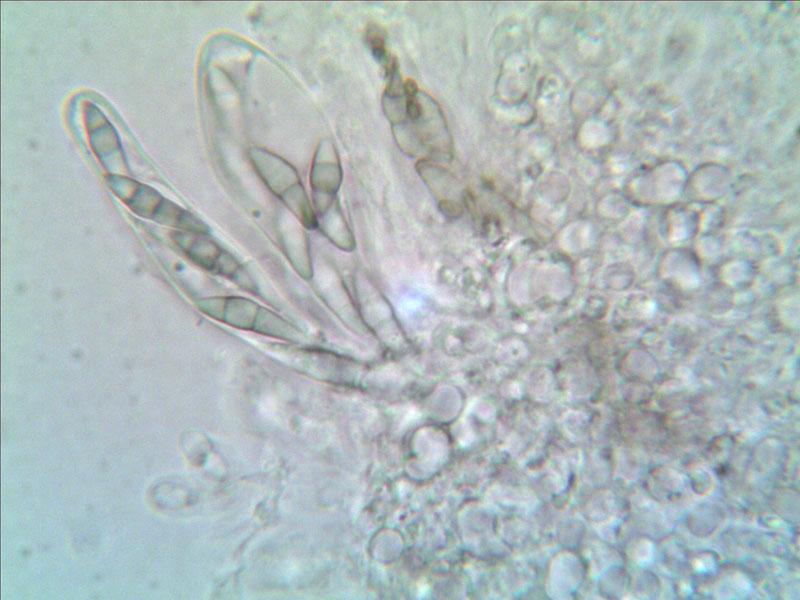
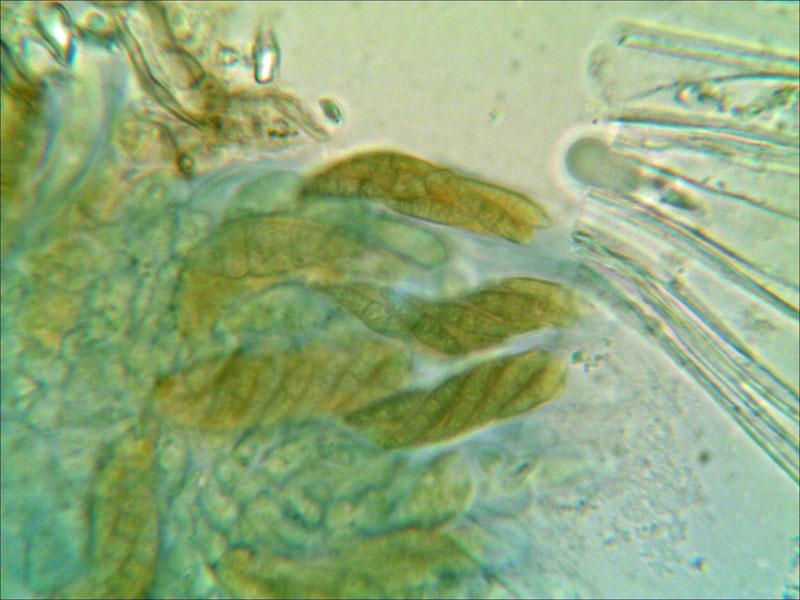
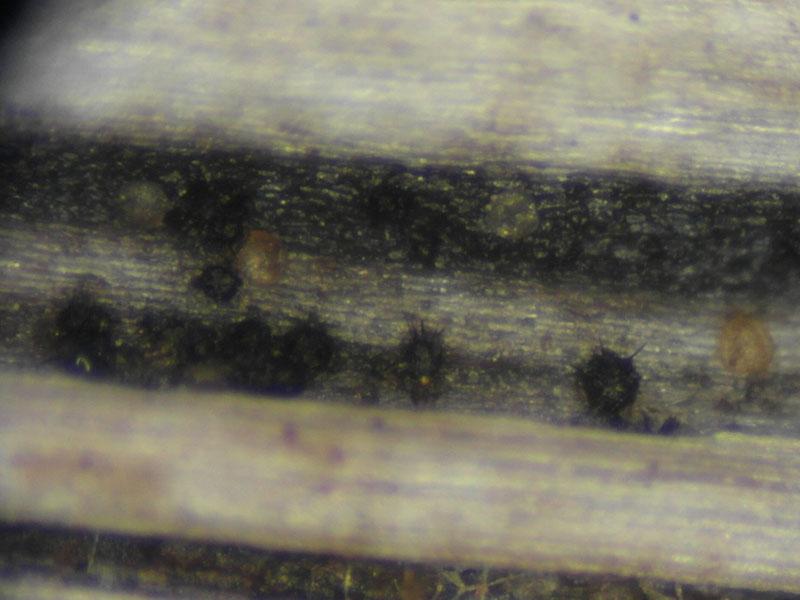
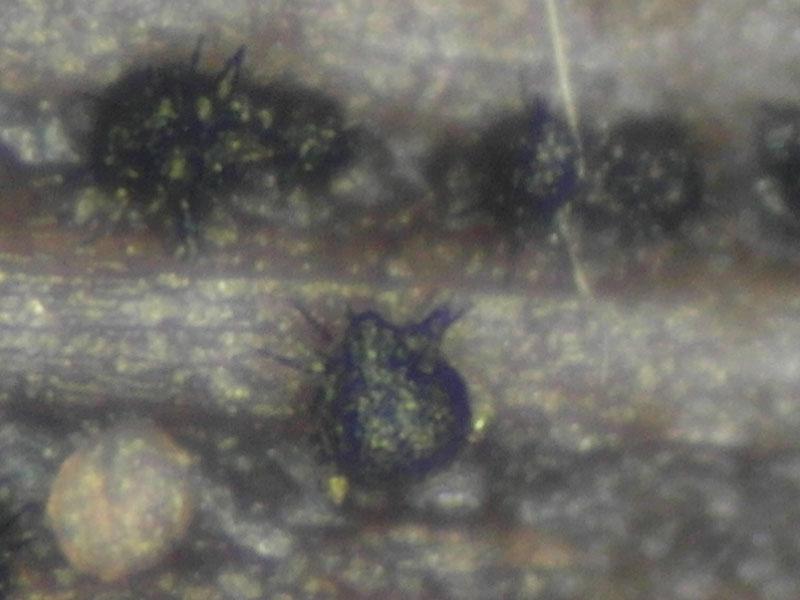
I found this species on moist lying cirsium-stalks. 0,15 mm diam. Around the neck covered with thickwalled, brown setae up to 62 x 5 µm. Ascospores 13-16 x 3,5-4 µm, second cell enlarged, hyaline, 3-septate, Asci 50 x 9, biseriate, IKI negative with 8 spores. There is an anamorphe on the same stalk, 260 x 11 µm, septate, Conidia 18-19 x 6,5-7, brown, 3-septate and verruculose.
Regards, Maren
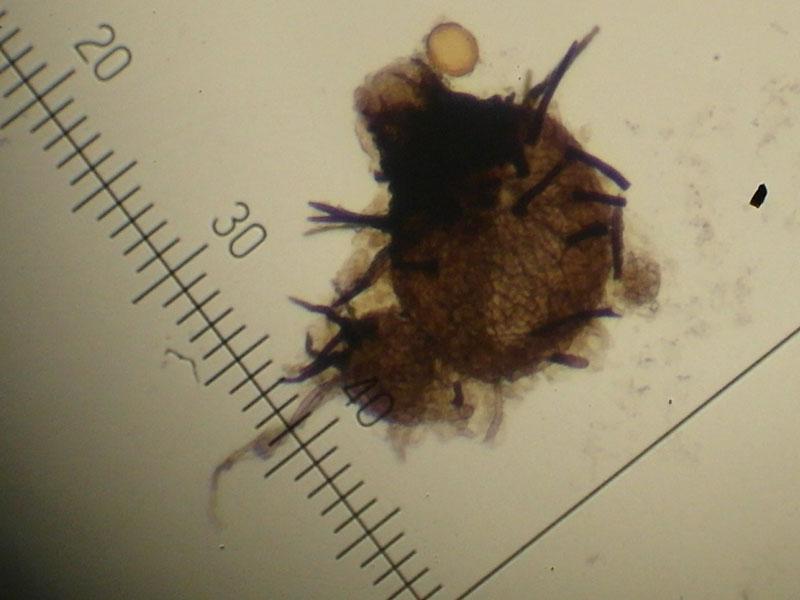
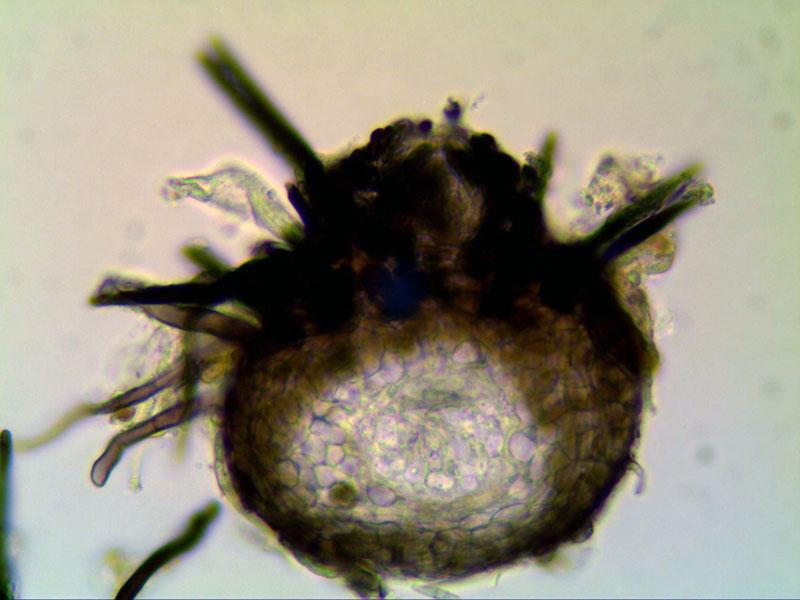
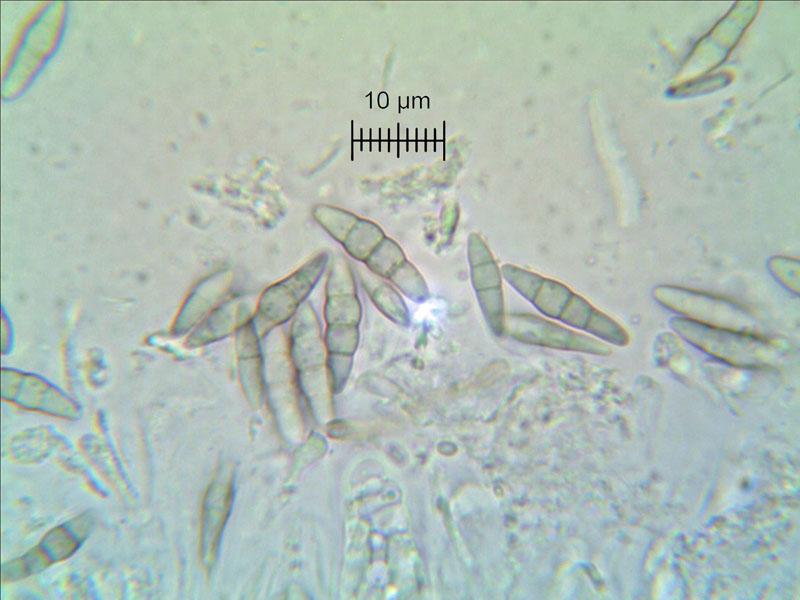
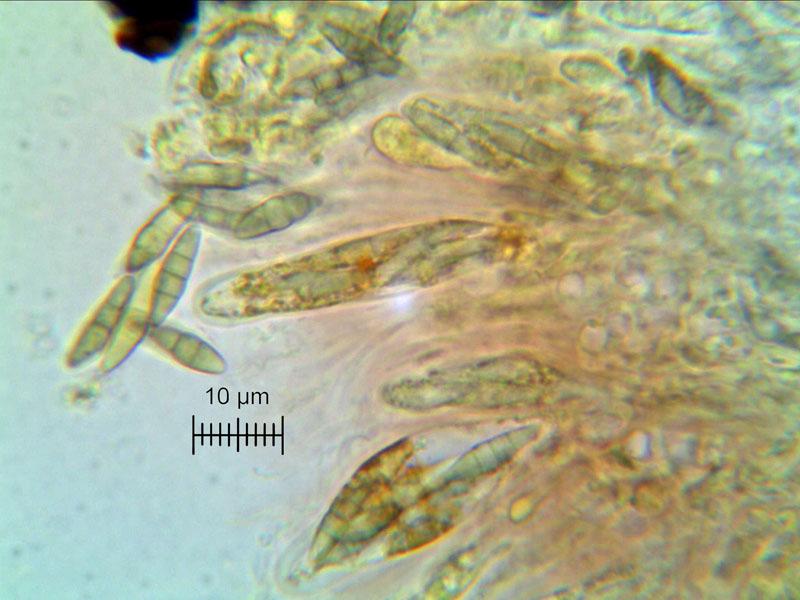
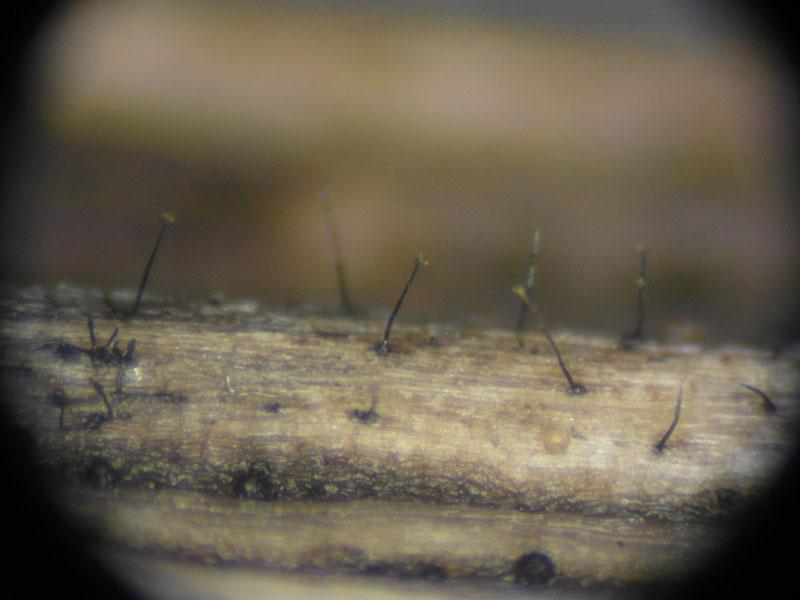
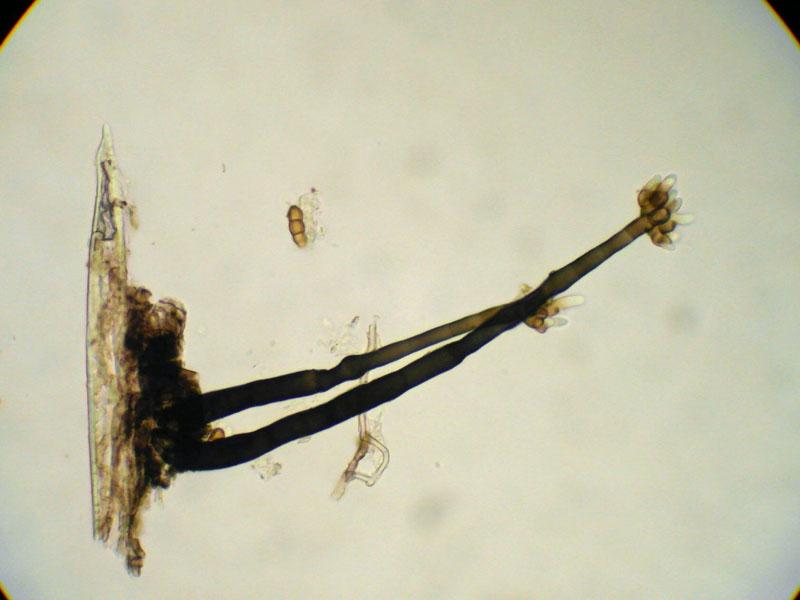
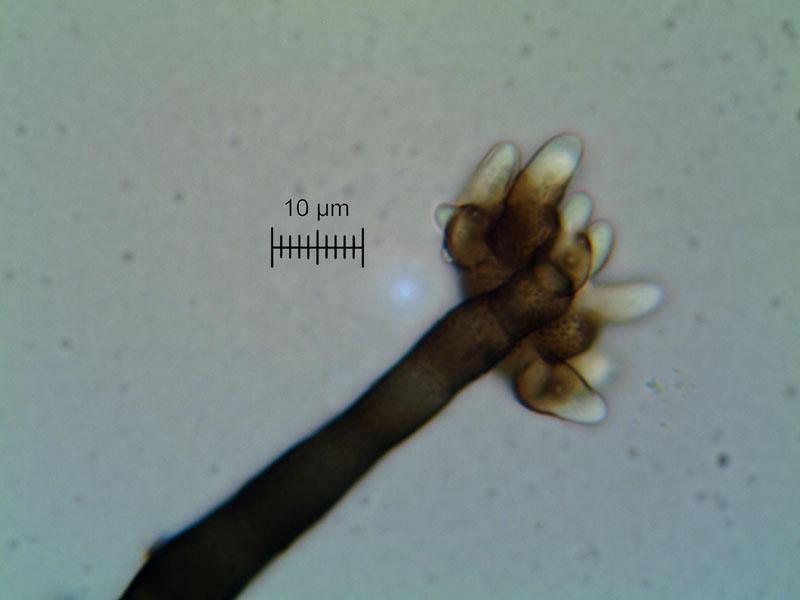
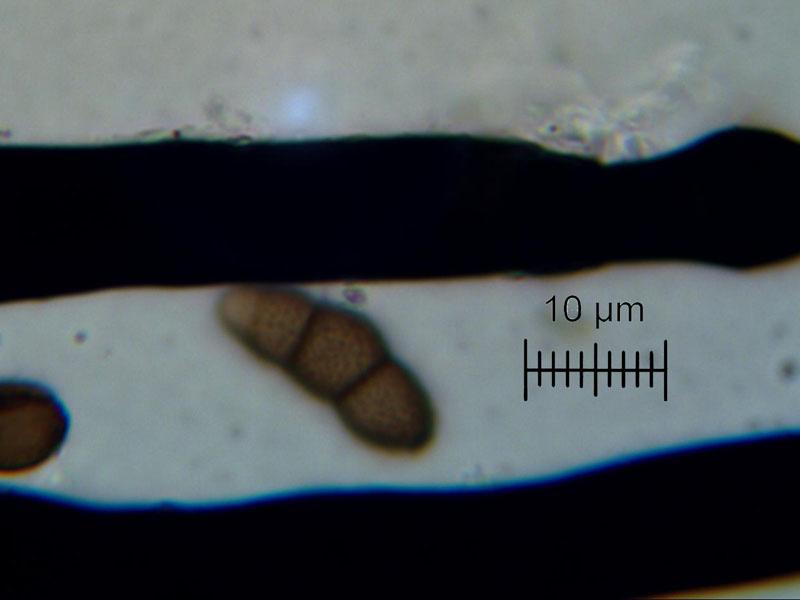

as for any pyrenomycete s. l. the first thing to check is whether asci are uni- or bitunicate. They seem to be bitunicate on photo 6. Are ascospores hyaline or greyish as suggested on your photos?
I think of a Capronia but let's wait for Gernot's opinion.
Cheers,
Jacques

this is clearly Capronia. Did you test in KOH+IKI? It should change blue.
I think its near C. pilosella.
regards,
björn
thank you very much, it is indeed a Capronia species, the asci are bitunicate, the ascospores are grey, not hyaline, how I first thought. After KOH-treatment changes the colour to blue with IKI.
I think it could be C. pilosella.
Thanks a lot
Regards, Maren